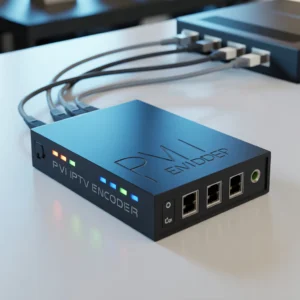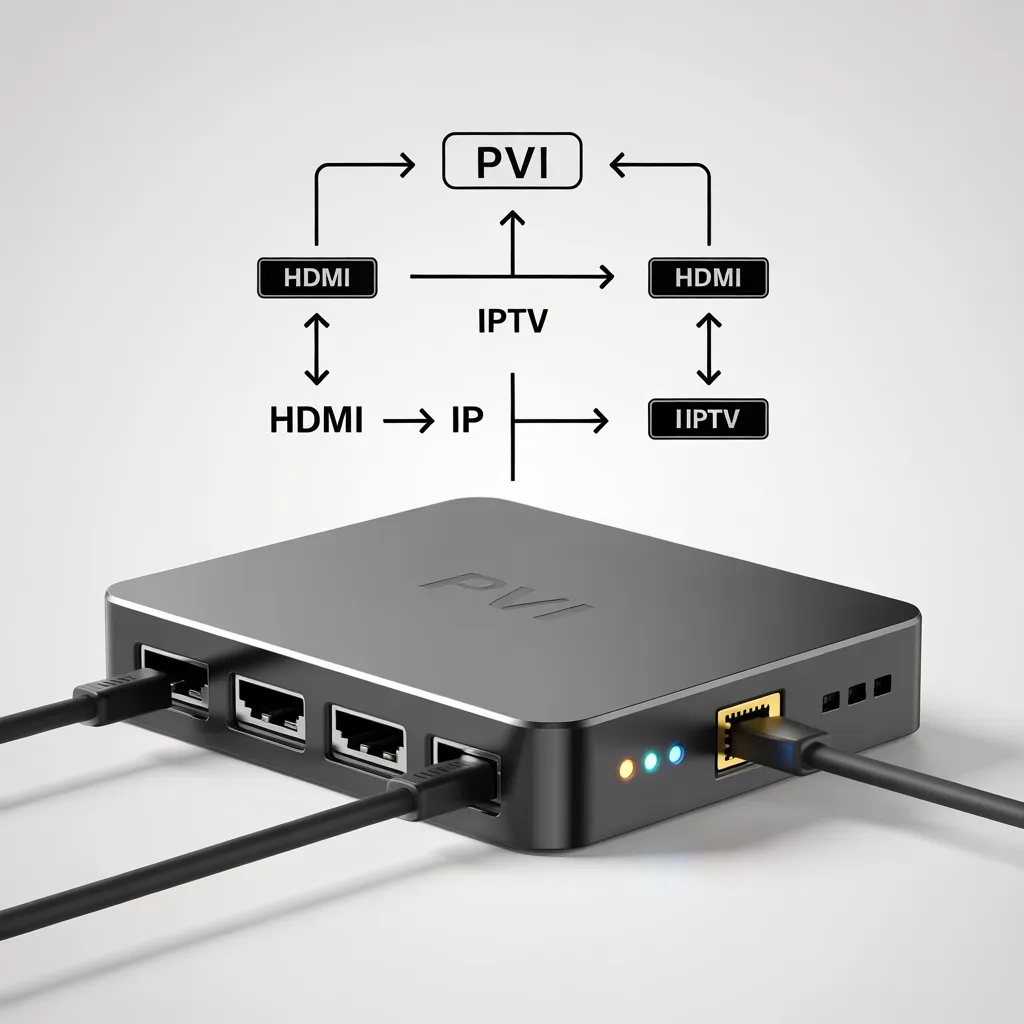


PVI HDMI to IPTV devices are professional video encoders that convert HDMI signals from cameras, PCs, or media players into IPTV streams that can be broadcast over local networks or the internet. These devices are commonly used in broadcasting, education, corporate streaming, hotels, and digital signage because they provide reliable, low-latency video distribution.
If you want to stream HDMI video to multiple screens without complex cabling, a PVI HDMI to IPTV encoder is one of the most efficient solutions available today.
Introduction to PVI HDMI to IPTV Technology
The demand for IPTV streaming continues to grow as businesses and organizations move toward network-based video distribution. One of the most reliable solutions for this transition is PVI HDMI to IPTV technology, which allows you to convert HDMI signals into IP streams that can be delivered across networks.
A PVI HDMI to IPTV encoder acts as a bridge between traditional video sources and modern IP-based distribution systems. Instead of running long HDMI cables, you simply connect your video source to the encoder and stream it through your network.
This technology is widely used in:
- Hotels and hospitality TV systems
- Corporate communications
- Churches and live events
- Healthcare information systems
- Educational campuses
- Security monitoring systems
As IPTV infrastructure becomes more affordable, PVI HDMI to IPTV solutions are becoming essential tools for modern AV distribution.
[Link to related article on IPTV infrastructure basics]
What is a PVI HDMI to IPTV Encoder?
A PVI HDMI to IPTV encoder is a hardware device that captures HDMI video input and converts it into a compressed digital stream such as:
- H.264
- H.265 (HEVC)
- MPEG-TS
- RTSP
- RTMP
- UDP multicast
- HTTP streaming
These streams can then be distributed through:
- Local Area Networks (LAN)
- Wide Area Networks (WAN)
- Internet platforms
- IPTV middleware systems
How PVI HDMI to IPTV Works
The process typically follows these steps:
- HDMI source connects to encoder
- Video gets compressed using codecs
- Stream converts into IP packets
- Network distributes the stream
- IPTV players decode and display video
This makes PVI HDMI to IPTV systems far more scalable than traditional HDMI distribution.
Key Features of PVI HDMI to IPTV Devices
Modern PVI HDMI to IPTV encoders include advanced features designed for professional streaming environments.
Video Encoding Capabilities
Most encoders support:
- Full HD 1080p encoding
- 4K UHD (select models)
- H.264/H.265 compression
- Adjustable bitrate control
- Frame rate optimization
These features ensure efficient bandwidth usage while maintaining video quality.
Network Streaming Protocols
Professional PVI HDMI to IPTV solutions support multiple protocols:
- RTSP for surveillance systems
- RTMP for live platforms
- UDP multicast for IPTV networks
- HLS for web streaming
- ONVIF compatibility (some models)
This flexibility allows integration with many IPTV ecosystems.
[Link to related article on IPTV streaming protocols]
Audio Processing Support
Audio features may include:
- AAC encoding
- MP3 streaming
- Dolby passthrough (model dependent)
- Audio gain adjustment
- Audio/video synchronization
Benefits of Using PVI HDMI to IPTV Solutions
Organizations adopt PVI HDMI to IPTV systems because they offer several advantages compared to traditional video distribution methods.
1. Reduced Infrastructure Costs
Instead of expensive HDMI matrix systems:
- Uses existing network cables
- Eliminates distance limitations
- Reduces installation costs
- Simplifies maintenance
2. Scalable Distribution
With PVI HDMI to IPTV technology, you can:
- Stream to unlimited screens
- Add receivers easily
- Expand without rewiring
- Manage centrally
This makes IPTV ideal for growing businesses.
3. Remote Management
Most devices include web dashboards allowing:
- Remote configuration
- Stream monitoring
- Firmware updates
- Network diagnostics
4. Reliable Streaming Quality
Advantages include:
- Low latency streaming
- Stable video delivery
- Error correction features
- Bandwidth control
[Link to external report on video streaming standards]
Common Use Cases of PVI HDMI to IPTV
Hospitality Industry
Hotels use PVI HDMI to IPTV encoders to:
- Broadcast hotel info channels
- Deliver satellite content
- Provide promotional videos
- Stream live events
Corporate Environments
Companies use these systems for:
- Internal communications
- Training broadcasts
- CEO announcements
- Digital signage networks
Education Sector
Universities deploy IPTV for:
- Lecture streaming
- Campus announcements
- Distance learning
- Research broadcasting
[Link to related article on educational IPTV systems]
Healthcare Facilities
Hospitals use IPTV for:
- Patient information
- Waiting room entertainment
- Emergency announcements
- Staff communication
How to Choose the Best PVI HDMI to IPTV Encoder
Selecting the right PVI HDMI to IPTV device depends on your technical needs.
Important Buying Factors
Consider:
Resolution Support
Choose based on your needs:
- 1080p for most uses
- 4K for premium quality
- HDR support (advanced systems)
Codec Support
Recommended:
- H.265 for bandwidth savings
- H.264 for compatibility
Bitrate Control
Look for:
- Adjustable bitrate
- CBR/VBR modes
- Network optimization
Protocol Compatibility
Ensure support for:
- RTSP
- RTMP
- UDP
- HLS
Build Quality
Important factors include:
- Metal chassis
- Cooling design
- Rack mounting options
- Power stability
PVI HDMI to IPTV vs Traditional HDMI Distribution
Many users compare PVI HDMI to IPTV against HDMI matrix systems.
Here is a comparison:
| Feature | PVI HDMI to IPTV | HDMI Matrix |
|---|---|---|
| Distance | Unlimited | Limited |
| Scalability | Very high | Limited |
| Cost | Lower long term | Higher expansion cost |
| Cabling | Network cable | HDMI cables |
| Management | Remote | Manual |
IPTV clearly offers more flexibility.
Installation Guide for PVI HDMI to IPTV Systems
Setting up a PVI HDMI to IPTV encoder is straightforward.
Basic Setup Steps
Step 1 – Connect Video Source
Connect:
- Camera
- Laptop
- Media player
- TV receiver
Step 2 – Connect Network
Attach:
- Ethernet cable
- Managed switch (recommended)
- Router
Step 3 – Configure Encoder
Access:
- Web interface
- IP configuration
- Stream settings
- Bitrate options
Step 4 – Configure IPTV Players
Use:
- VLC Player
- IPTV set-top boxes
- Smart TVs
- Middleware platforms
[Link to VLC setup guide]
Step 5 – Test Stream
Verify:
- Video quality
- Audio sync
- Network stability
- Latency
Troubleshooting Common PVI HDMI to IPTV Issues
Even good systems may experience issues.
No Video Signal
Possible causes:
- Loose HDMI cable
- Unsupported resolution
- HDCP protection
- Source output disabled
Solutions:
- Check cables
- Adjust resolution
- Disable HDCP if possible
- Restart encoder
Network Streaming Problems
Causes include:
- Firewall blocking ports
- Wrong multicast settings
- Bandwidth limits
- IP conflicts
Fixes:
- Check ports
- Verify IP settings
- Use VLAN
- Upgrade switch capacity
Audio Problems
Common fixes:
- Check HDMI audio output
- Verify codec compatibility
- Adjust audio bitrate
- Restart stream
[Link to IPTV troubleshooting guide]
Best Practices for Using PVI HDMI to IPTV
To get maximum performance:
Network Optimization Tips
Use:
- Gigabit switches
- VLAN separation
- QoS prioritization
- Multicast support
Security Recommendations
Implement:
- Password protection
- Firmware updates
- Network isolation
- Access control
[Link to cybersecurity IPTV recommendations]
Performance Optimization
Adjust:
- Bitrate according to network
- Resolution when needed
- Frame rate balance
- Compression level
Future Trends in HDMI to IPTV Technology
The future of PVI HDMI to IPTV solutions looks promising with improvements in:
AI Video Optimization
New encoders include:
- Smart compression
- Content detection
- Quality optimization
4K and 8K Streaming
Emerging trends:
- Ultra HD IPTV
- HDR streaming
- High frame rate broadcasting
Cloud IPTV Integration
Growing adoption of:
- Cloud transcoding
- Remote IPTV management
- SaaS IPTV platforms
[Link to external IPTV market research report]
According to industry forecasts, IPTV will continue expanding rapidly due to cloud and AI integration.
Who Should Use PVI HDMI to IPTV?
This technology is ideal for:
Beginners
If you want simple video distribution.
Businesses
If you need scalable streaming.
Integrators
If you build AV solutions.
Broadcasters
If you distribute content professionally.
IT Administrators
If you manage network video.
Frequently Asked Questions About PVI HDMI to IPTV
Is PVI HDMI to IPTV difficult to set up?
No. Most devices offer web interfaces making configuration simple.
Can I stream to YouTube?
Yes if RTMP is supported.
How much bandwidth is needed?
Typical requirements:
- 1080p → 4–8 Mbps
- 4K → 15–30 Mbps
Is IPTV better than HDMI distribution?
For large installations yes.
Do I need special receivers?
Options include:
- IPTV boxes
- Software players
- Smart TVs
- Mobile apps
Final Thoughts on PVI HDMI to IPTV Technology
PVI HDMI to IPTV solutions provide a powerful and cost-effective way to distribute video content over networks. Whether you manage a hotel, business, school, or broadcasting system, these encoders offer scalability, flexibility, and professional performance.
As video distribution continues shifting toward IP infrastructure, investing in a reliable HDMI to IPTV solution is a smart long-term decision.
Conclusion
If you want a reliable way to distribute HDMI video across multiple displays, PVI HDMI to IPTV devices offer one of the best solutions available today. They reduce costs, simplify infrastructure, and provide scalable video distribution for modern environments.
Whether you are a beginner or an AV professional, adopting IPTV encoding technology can significantly improve how you manage and deliver video content.
Meta Description (SEO)
PVI HDMI to IPTV guide: learn how HDMI to IPTV encoders work, features, benefits, setup tips, and how to choose the best device for professional video streaming.