
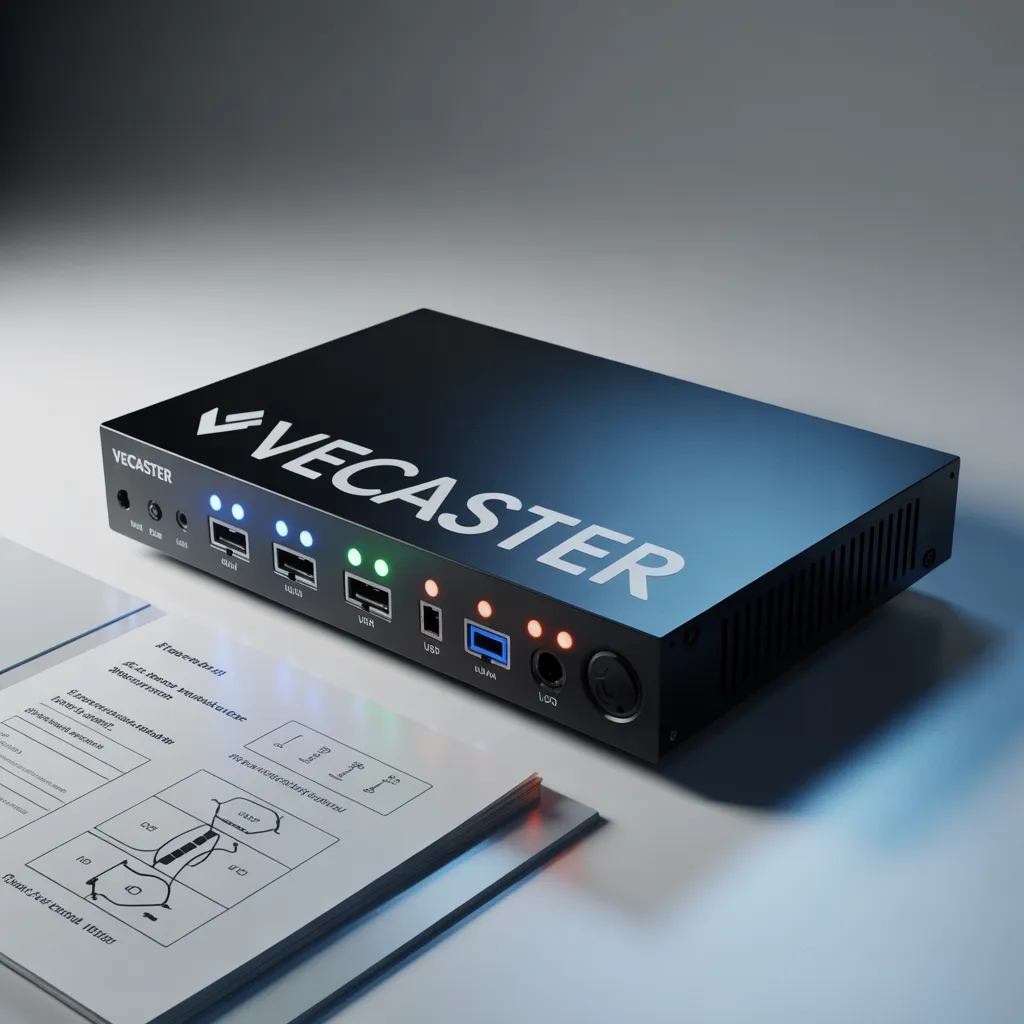
A Vecaster IPTV encoder is a professional hardware device that converts HDMI or SDI video signals into IP streams for live broadcasting over IPTV networks, content delivery platforms, or streaming servers. It is widely used in broadcasting, education, hotels, churches, and live event streaming due to its reliability, low latency, and high-quality encoding. Introduction to Vecaster IPTV Encoder If you’re looking for a reliable hardware solution for professional video streaming, the vecaster iptv encoder is one of the most trusted options in the IPTV broadcasting industry. These devices are designed to convert video input signals into digital IP streams that can be delivered across networks, making them essential for modern content distribution. Whether you are a broadcaster, business owner, or streaming enthusiast, understanding how a vecaster iptv encoder works can help you build a stable and scalable IPTV system. With the growing demand for live streaming, IPTV headend systems, and OTT platforms, hardware encoders like Vecaster have become essential tools. In this complete guide, you’ll learn everything about Vecaster encoders, including features, benefits, setup methods, use cases, and how to choose the right model. What is a Vecaster IPTV Encoder? A vecaster iptv encoder is a hardware-based encoding device that transforms video signals from sources like: into compressed digital formats such as: These compressed streams are then transmitted using protocols such as: This process allows video content to be broadcast through IPTV networks or internet streaming platforms. Key Functions of a Vecaster IPTV Encoder The main roles of a Vecaster IPTV encoder include: [Link to related article on IPTV encoding basics] How a Vecaster IPTV Encoder Works Understanding how a vecaster iptv encoder works is simple when broken into three main steps: Step 1 – Video Input Capture The encoder receives video from sources such as: Step 2 – Video Encoding Process The encoder compresses raw video using codecs like H.264 or H.265 to reduce file size while maintaining quality. Step 3 – IP Streaming Output The encoded stream is transmitted through: This enables live viewing across devices like: Key Features of Vecaster IPTV Encoders When comparing IPTV hardware encoders, Vecaster devices stand out due to their professional-grade features. Professional Encoding Capabilities Most vecaster iptv encoder models support: Multiple Streaming Protocol Support Vecaster encoders typically support: Hardware Stability Unlike software encoders, hardware devices provide: Remote Management Options Many Vecaster models include: [Link to related article on hardware vs software encoders] Benefits of Using a Vecaster IPTV Encoder Investing in a vecaster iptv encoder offers several advantages for professional streaming environments. Reliable 24/7 Operation Hardware encoders are built for continuous broadcasting, making them ideal for: Better Video Quality Vecaster devices deliver: Lower CPU Usage Since encoding happens inside the device: Scalability for IPTV Networks Vecaster encoders can easily scale from: Popular Vecaster IPTV Encoder Models Different models of vecaster iptv encoder are designed for various professional needs. Vecaster HDMI IPTV Encoder Best suited for: Typical features include: Vecaster SDI IPTV Encoder Designed for broadcast environments: Multi-Channel Vecaster IPTV Encoder Used in IPTV headend systems: [Link to manufacturer technical documentation] Vecaster IPTV Encoder vs Other IPTV Encoders Choosing the right encoder requires comparison. Vecaster vs Software Encoders Feature Vecaster Hardware Encoder Software Encoder Stability Very high Medium CPU usage None High Reliability 24/7 Depends on PC Maintenance Low Medium Cost Higher upfront Lower upfront Vecaster vs Generic Hardware Encoders Vecaster advantages: Common Use Cases for Vecaster IPTV Encoders A vecaster iptv encoder can be used in many industries. Broadcasting Industry Applications include: Education Sector Universities use Vecaster for: [Link to related article on educational IPTV systems] Hospitality Industry Hotels deploy IPTV encoders for: Religious Organizations Churches and mosques often use encoders for: Corporate Communications Businesses use them for: How to Set Up a Vecaster IPTV Encoder Setting up a vecaster iptv encoder typically takes less than 30 minutes. Basic Installation Steps Follow these steps: Network Configuration Tips Best practices include: Recommended Network Requirements For stable IPTV streaming: [Link to network bandwidth calculator] Vecaster IPTV Encoder Configuration Best Practices To get the best performance: Video Settings Recommended: Audio Settings Best configuration: Streaming Optimization Tips include: Troubleshooting Vecaster IPTV Encoder Issues Even professional devices may require troubleshooting. Common Problems Typical issues include: Quick Fixes Try these solutions: When to Contact Support Contact technical support if: [Link to Vecaster support portal] How to Choose the Right Vecaster IPTV Encoder Choosing the right vecaster iptv encoder depends on your needs. Consider Video Inputs Ask: Consider Streaming Goals Define: Consider Budget Typical price ranges: Consider Future Expansion Choose devices that allow: Vecaster IPTV Encoder Security Considerations Security is critical in IPTV systems. Security Best Practices Implement: Network Security Recommendations Follow: [Link to cybersecurity best practices guide] Future of IPTV Encoding Technology The IPTV industry continues to evolve rapidly. Emerging Trends Important trends include: Vecaster Innovation Direction Hardware encoder manufacturers are focusing on: [Link to IPTV industry market report] Frequently Asked Questions About Vecaster IPTV Encoder Is a Vecaster IPTV encoder better than software encoding? Yes, for professional use cases because it offers: Can Vecaster encoders stream to YouTube? Yes, most models support RTMP streaming for platforms like: Does a Vecaster IPTV encoder support H.265? Many newer models support HEVC which reduces bandwidth usage by up to 50%. Do I need IPTV middleware? Not always. It depends on whether you want: Final Thoughts on Vecaster IPTV Encoder A vecaster iptv encoder is one of the best investments for anyone serious about professional IPTV streaming. Whether you operate a TV channel, run corporate broadcasts, or manage a hotel IPTV network, these devices provide reliability, quality, and scalability. The biggest advantages include: If you want consistent and professional IPTV delivery, a hardware encoder is often the best choice. Conclusion Choosing the right vecaster iptv encoder can significantly improve your streaming infrastructure. From small organizations to large broadcasters, these devices help deliver professional video content efficiently and reliably. By understanding features, configuration options, and best practices, you can build a future-proof IPTV system that meets your streaming goals. If you’re
IPTV TV ToTV: The Complete Guide to IPTV TV ToTV Streaming Solutions 2026
IPTV TV ToTV refers to using IPTV (Internet Protocol Television) technology to stream live TV channels and on-demand content through ToTV-style platforms, apps, or compatible devices using an internet connection instead of traditional cable or satellite systems. If you’re looking for a modern way to stream television, iptv tv totv solutions are becoming one of the most popular alternatives to traditional broadcasting. With the rise of smart TVs, streaming boxes, and high-speed internet, IPTV platforms like ToTV-style systems allow users to watch live channels, movies, and series anytime. Whether you’re a beginner or someone looking to upgrade your streaming setup, understanding how IPTV TV ToTV works can help you choose the best solution. What is IPTV TV ToTV? IPTV TV ToTV is a digital television delivery method that streams content through internet networks rather than satellite signals or cable infrastructure. Instead of receiving signals through antennas or fiber cables, IPTV sends video content through IP networks, allowing more flexibility and interactive features. Simple definition of IPTV TV ToTV IPTV TV ToTV typically includes: This technology is widely used by: [Link to related article on IPTV streaming basics] How IPTV TV ToTV Works Understanding how iptv tv totv works helps you make better decisions when choosing devices or services. Basic IPTV TV ToTV workflow The process usually follows these steps: Core components of IPTV TV ToTV systems A typical IPTV TV ToTV setup includes: Hardware: Software: [Link to related article on IPTV encoders] Key Features of IPTV TV ToTV Platforms Modern IPTV TV ToTV platforms include advanced features that traditional TV cannot match. 1. Live channel streaming Users can watch: 2. Video on demand libraries Many IPTV TV ToTV services provide: 3. Multi-device streaming Most IPTV TV ToTV systems support: 4. Time-shifted media Features include: [Link to related article on IPTV VOD systems] Benefits of IPTV TV ToTV Technology The popularity of iptv tv totv continues to grow because of the advantages it offers over traditional TV. Cost efficiency IPTV often costs less because: Flexibility Users enjoy: Better user experience IPTV TV ToTV systems offer: Scalability IPTV works for: [Link to case study on IPTV hospitality solutions] IPTV TV ToTV vs Traditional Cable TV Many users compare IPTV TV ToTV with cable TV before switching. Major differences Feature IPTV TV ToTV Cable TV Delivery Internet Coaxial cable Flexibility High Limited Device support Multiple Mostly TV On-demand Yes Limited Installation Simple Complex Why people are switching The biggest reasons include: [Link to global streaming statistics report] Devices Compatible with IPTV TV ToTV Choosing the right device improves your iptv tv totv experience significantly. Popular IPTV TV ToTV devices Common options include: Smart devices: Dedicated IPTV hardware: Software players: What to consider before buying Check: [Link to IPTV hardware buying guide] How to Set Up IPTV TV ToTV Setting up IPTV TV ToTV is usually simple and takes only a few steps. Basic IPTV TV ToTV installation steps Follow this process: Network requirements For best performance: Common setup mistakes Avoid: IPTV TV ToTV for Businesses Businesses increasingly adopt IPTV TV ToTV solutions. Industries using IPTV Common sectors include: Business advantages Benefits include: Commercial IPTV applications Business uses include: Security Considerations for IPTV TV ToTV Security is important when using IPTV TV ToTV platforms. Best security practices Follow these recommendations: Legal considerations Always verify: [Link to digital streaming regulations resource] Common IPTV TV ToTV Problems and Solutions Even good systems sometimes experience issues. Buffering problems Possible causes: Solutions: Playback errors Fix by: Channel loading issues Try: [Link to IPTV error fixing tutorial] Future Trends of IPTV TV ToTV The future of IPTV TV ToTV looks promising with rapid technology development. Emerging trends Key developments include: Technology integration IPTV is integrating with: [Link to future media technology research] How to Choose the Best IPTV TV ToTV Service Selecting the right IPTV TV ToTV provider is essential. Important selection criteria Evaluate: Content factors: Technical factors: Business factors: [Link to IPTV provider comparison checklist] IPTV TV ToTV for Beginners If you are new to iptv tv totv, start simple. Beginner checklist Start with: Beginner mistakes to avoid Do not: [Link to beginner IPTV setup guide] Frequently Asked Questions About IPTV TV ToTV Is IPTV TV ToTV legal? IPTV technology itself is legal. However, legality depends on whether the provider has rights to distribute the content. Do I need a special device? Not necessarily. Many IPTV TV ToTV services work on: How much internet is required? Typical recommendations: Can IPTV replace cable? Yes, many users fully replace cable with IPTV TV ToTV due to flexibility and pricing advantages. [Link to consumer streaming adoption report] Best Practices for Optimizing IPTV TV ToTV Performance To get the best results from your IPTV TV ToTV setup, optimization is important. Performance optimization tips Improve performance by: Network optimization Improve stability with: [Link to home network optimization guide] Final Thoughts on IPTV TV ToTV IPTV TV ToTV represents the future of television streaming. With flexibility, scalability, and advanced features, it continues to replace traditional broadcasting systems worldwide. Whether you are a beginner exploring IPTV or a business considering deployment, choosing the right devices, providers, and network setup will determine your experience. As internet infrastructure improves globally, IPTV TV ToTV platforms will only become more powerful, offering better quality, more personalization, and smarter content delivery. [Link to related article on IPTV infrastructure] Meta Description Discover IPTV TV ToTV technology, how it works, benefits, setup tips, devices, and expert buying advice in this complete beginner-friendly IPTV streaming guide. Ready to Start Using IPTV TV ToTV? If you’re ready to upgrade your entertainment experience, now is the perfect time to explore IPTV TV ToTV solutions. Next steps you can take:
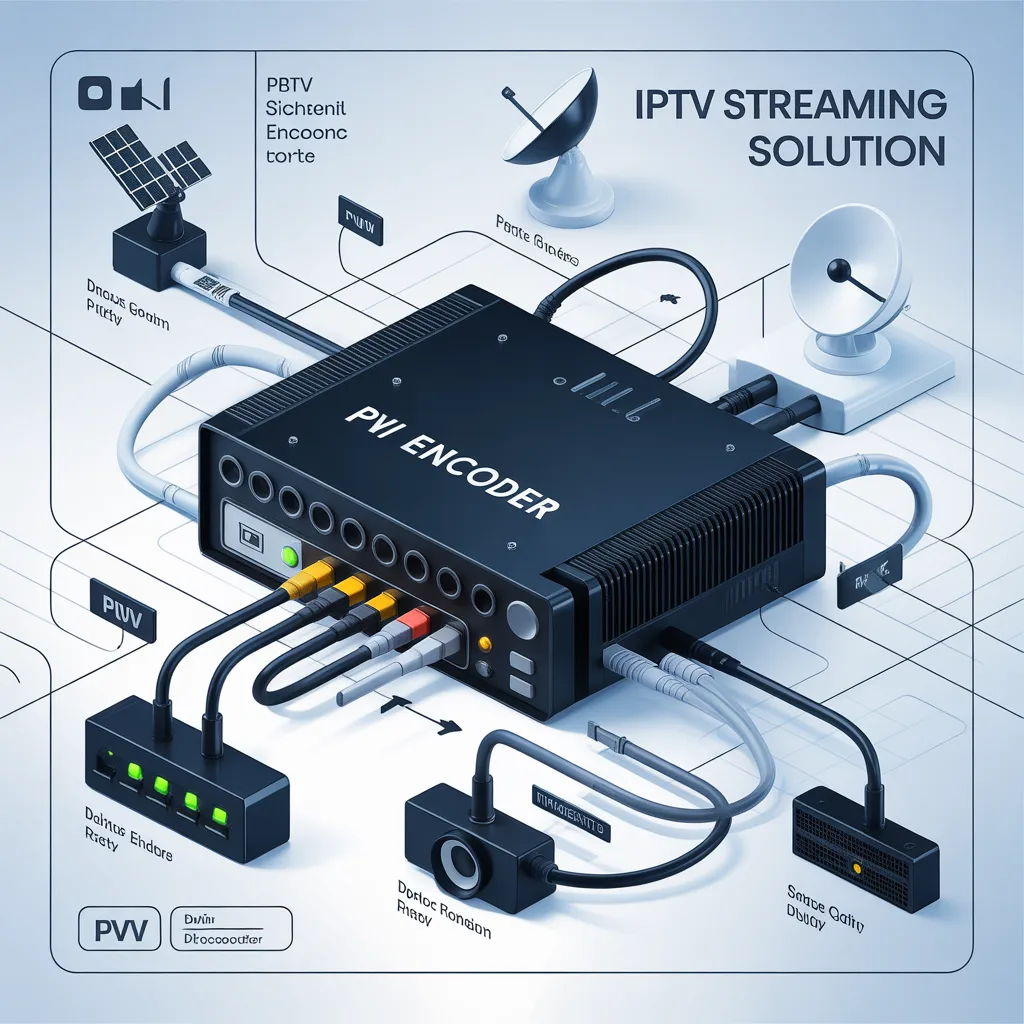
PVI Encoder IPTV: Complete Expert Guide to PVI IPTV Encoders in 2026
A PVI encoder IPTV is a professional hardware device that converts HDMI, SDI, or AV video signals into IP streams for live broadcasting over IPTV networks. These encoders are widely used in hotels, broadcasting studios, education, security systems, and streaming businesses to deliver stable, high-quality video distribution. Introduction to PVI Encoder IPTV A PVI encoder IPTV is one of the most important components in modern video distribution systems. Whether you are running a hotel TV system, a corporate streaming network, or a digital broadcasting setup, IPTV encoders make it possible to transform traditional video signals into network-ready streams. In simple terms, a PVI encoder IPTV converts video input from sources like: Into digital IP streams that can be delivered across a network using protocols such as: As IPTV continues to replace traditional coaxial TV distribution, PVI encoders have become essential tools for integrators and streaming professionals. What is a PVI Encoder IPTV? A PVI encoder IPTV is a hardware encoder designed to compress video signals using codecs like H.264 or H.265 and distribute them over IP networks. Simple definition PVI IPTV encoders convert video signals into compressed digital streams that can be transmitted through LAN, WAN, or the internet. Core functions of a PVI IPTV encoder A typical device performs these key tasks: Main input types supported Most professional PVI encoder IPTV devices support: This flexibility makes them ideal for many industries. How a PVI IPTV Encoder Works Understanding how a PVI encoder IPTV works helps you choose the right model and configure it correctly. Step-by-step workflow Here is the typical encoding process: Step 1 – Video Input The encoder receives video from: Step 2 – Compression The encoder compresses the video using: Compression reduces bandwidth usage while maintaining quality. Step 3 – Encoding The device converts the signal into IPTV formats like: Step 4 – Network Transmission The encoded stream is transmitted through: Step 5 – Playback The stream can be viewed on: Key Features of PVI IPTV Encoders When choosing a PVI encoder IPTV, certain features determine performance and reliability. Essential features to look for 1. Video codec support Modern encoders support: H.265 is preferred because it reduces bandwidth by up to 50%. 2. Resolution support Typical supported resolutions include: 3. Bitrate control Professional PVI encoder IPTV devices allow: 4. Multi-stream output Advanced encoders can output multiple streams such as: 5. Protocol compatibility Important supported protocols: Types of PVI Encoder IPTV Devices There are different types of PVI encoder IPTV equipment depending on application needs. Single channel encoders Best for: Advantages: Multi-channel encoders Used in: Advantages: 4K IPTV encoders Ideal for: Benefits: Benefits of Using a PVI Encoder IPTV Using a PVI encoder IPTV offers major advantages compared to traditional RF distribution. Major benefits include: 1. Network flexibility IPTV works over: This eliminates the need for complex coaxial wiring. 2. High video quality IP encoding allows: 3. Scalability You can easily expand your system by: 4. Cost reduction Long-term savings include: 5. Remote management Most PVI encoder IPTV devices allow: Common Applications of PVI IPTV Encoders A PVI encoder IPTV is used across many industries. Hospitality industry Hotels use IPTV encoders for: [Link to related article on hotel IPTV systems] Corporate environments Businesses use IPTV encoders for: Education sector Schools and universities deploy encoders for: Healthcare facilities Hospitals use IPTV for: Security and surveillance Encoders are used to stream: How to Choose the Best PVI Encoder IPTV Selecting the right PVI encoder IPTV depends on several factors. Key selection criteria 1. Number of channels needed Ask yourself: 2. Required video quality Consider: 3. Network capacity Evaluate: 4. Protocol compatibility Make sure the encoder supports: 5. Ease of management Look for: 6. Reliability Professional IPTV deployments require: [Link to related article on IPTV network design] PVI Encoder IPTV Installation Guide Installing a PVI encoder IPTV is typically straightforward. Basic installation steps Step 1 – Connect video source Connect: Step 2 – Connect network Use: Step 3 – Access web interface Typical process: Step 4 – Configure encoding Set: Step 5 – Test streaming Verify playback on: Step 6 – Integrate into IPTV system Connect to: Best Practices for Optimizing IPTV Encoding Performance To get the best results from a PVI encoder IPTV, follow professional optimization practices. Performance tips Use proper bitrate settings Recommended bitrates: Enable multicast when possible Multicast reduces bandwidth when streaming to many users. Use managed switches Recommended features: Monitor temperature Ensure: Keep firmware updated Firmware updates provide: [Link to external IPTV networking best practices guide] Common Problems and Troubleshooting PVI IPTV Encoders Even high-quality PVI encoder IPTV devices may encounter issues. Common problems Stream buffering Possible causes: Solutions: No video signal Check: Audio sync issues Fix by: Device not accessible Check: PVI Encoder IPTV vs Software Encoding Some businesses compare hardware and software encoding. Hardware encoder advantages A PVI encoder IPTV offers: Software encoder advantages Software solutions offer: When hardware is better Hardware wins when you need: Security Considerations for IPTV Encoding Security is critical when deploying a PVI encoder IPTV. Security best practices Change default passwords Always: Use network isolation Recommended: Enable secure protocols Use: Monitor network access Implement: [Link to external cybersecurity best practices report] Future Trends in IPTV Encoding Technology The future of PVI encoder IPTV technology continues evolving. Key trends include: AI video optimization AI is improving: Cloud IPTV integration Modern encoders support: 5G broadcasting 5G enables: AV over IP growth The industry is moving toward: Frequently Asked Questions About PVI Encoder IPTV What is the purpose of a PVI encoder IPTV? It converts video into IP streams for distribution across IPTV networks. Can PVI IPTV encoders stream to YouTube? Many models support RTMP streaming for platforms. Do I need middleware? Not always, but middleware improves: What bitrate should I use? Depends on: Are PVI encoders suitable for 24/7 operation? Yes. Professional PVI encoder IPTV hardware is designed for continuous operation. Conclusion: Is a PVI Encoder IPTV Worth It? A PVI encoder IPTV is an essential tool for any professional video
PVI IPTV HDMI Encoder: The Complete Expert Guide to High-Quality IPTV Streaming 2026
A PVI IPTV HDMI encoder is a professional device that converts HDMI video signals into IP streams for live broadcasting over networks. It is widely used in IPTV systems, live streaming, digital signage, education, and broadcasting because it delivers stable, high-quality video with low latency. What Is a PVI IPTV HDMI Encoder? A PVI IPTV HDMI encoder is a hardware device designed to convert HDMI video input into digital IP streams using compression formats like H.264 or H.265. These streams can then be distributed across IPTV networks, content delivery networks (CDNs), or the internet. In simple terms, the encoder acts as a bridge between your video source (camera, PC, set-top box, or media player) and your streaming platform. A PVI IPTV HDMI encoder ensures the video is optimized for transmission while maintaining quality and reducing bandwidth usage. These devices are commonly used by: If you want reliable IPTV distribution, a professional HDMI encoder is considered essential equipment. How a PVI IPTV HDMI Encoder Works Understanding how a PVI IPTV HDMI encoder works helps you choose the right model and configure it properly. Basic Working Process The encoder performs three main steps: This process allows content to be broadcast across local networks or globally. Key Technologies Used Most modern PVI IPTV encoders include: These features make IPTV broadcasting efficient and scalable. Key Features of a PVI IPTV HDMI Encoder When selecting a PVI IPTV HDMI encoder, understanding the core features helps ensure you get the best performance. Video Encoding Capabilities Professional encoders typically support: Higher-end models may also support: Audio Processing Audio quality matters as much as video. Most encoders include: Network Streaming Protocols A good PVI IPTV HDMI encoder supports multiple streaming protocols: Multiple protocol support increases compatibility. Remote Management Modern devices include web dashboards allowing you to: This simplifies management in professional environments. Benefits of Using a PVI IPTV HDMI Encoder Using a dedicated PVI IPTV HDMI encoder provides advantages compared to software encoding solutions. Superior Reliability Hardware encoders offer: This makes them ideal for 24/7 broadcasting. Lower CPU Load Unlike software encoders, hardware devices: This is especially important in professional IPTV environments. Professional Video Quality Dedicated encoding hardware delivers: These factors directly improve viewer experience. Scalability A PVI IPTV HDMI encoder allows: This makes it future-proof for growing IPTV systems. Common Use Cases for PVI IPTV HDMI Encoders These encoders are used across many industries. IPTV Service Distribution The most common use is IPTV channel distribution. Providers use encoders to: Live Event Streaming Encoders are widely used for: They ensure stable live delivery. Corporate Communications Companies use HDMI IPTV encoders for: This improves communication efficiency. Education Streaming Schools and universities use them for: Education is a rapidly growing use case. How to Choose the Best PVI IPTV HDMI Encoder Selecting the right PVI IPTV HDMI encoder depends on your needs. Consider Video Resolution Choose based on your requirements: Higher resolution requires higher bandwidth. Check Encoding Format H.264: H.265: H.265 is recommended for modern deployments. Evaluate Network Features Look for: These features improve network efficiency. Look for Management Features Choose models offering: Management tools reduce maintenance time. PVI IPTV HDMI Encoder Setup Guide Setting up a PVI IPTV HDMI encoder is typically straightforward. Basic Installation Steps Follow these steps: Most setups take less than 15 minutes. Configuration Best Practices For optimal performance: These steps improve reliability. Recommended Bitrate Settings General guidelines: Resolution Bitrate 720p 2–4 Mbps 1080p 4–8 Mbps 4K 15–30 Mbps Adjust based on network capacity. PVI IPTV HDMI Encoder vs Software Encoder Understanding the difference helps determine the right solution. Hardware Encoder Advantages A PVI IPTV HDMI encoder offers: These make them ideal for production environments. Software Encoder Advantages Software solutions provide: However, they require strong hardware. Which Should You Choose? Choose hardware if you need: Choose software if you need: Many organizations combine both. Troubleshooting Common PVI IPTV HDMI Encoder Issues Even the best systems may encounter issues. No Video Signal Possible causes: Solutions: Streaming Interruptions Possible causes: Solutions: Audio Problems Common causes: Solutions: Regular maintenance prevents most issues. Best Practices for IPTV Encoding Optimization Optimizing your PVI IPTV HDMI encoder ensures maximum performance. Optimize Bitrate Control Use: Choose based on your network needs. Reduce Latency To reduce delay: Low latency improves live experiences. Improve Stream Stability Best practices: Network quality directly impacts stream quality. Security Considerations for IPTV Encoding Security is often overlooked but critical. Protect Encoder Access Always: Basic security prevents attacks. Secure Stream Delivery Use: Security protects content rights. Firmware Updates Regular updates provide: Keep firmware updated. Future Trends in IPTV HDMI Encoding The IPTV industry continues evolving rapidly. AI Video Optimization Future encoders may include: AI will improve efficiency. Cloud Integration Modern IPTV workflows are moving toward: Hybrid systems are becoming standard. 8K and Advanced Codecs Upcoming developments include: These will shape next-generation IPTV. Frequently Asked Questions About PVI IPTV HDMI Encoders What does a PVI IPTV HDMI encoder do? It converts HDMI video into IPTV streams for network distribution. Can I stream to YouTube with it? Yes, if RTMP is supported. Do I need a server? Not always. Many encoders stream directly to platforms. Is H.265 better than H.264? Yes, it provides better compression but needs compatible players. How long do encoders last? Professional devices can operate continuously for years with proper maintenance. Internal Resources You May Find Helpful To continue learning: These resources help build a complete IPTV system. External Learning Resources For deeper technical understanding: Using credible technical documentation improves deployment success. Final Thoughts on PVI IPTV HDMI Encoders A PVI IPTV HDMI encoder is one of the most important components in any professional IPTV workflow. Whether you are broadcasting live events, distributing IPTV channels, or building a corporate streaming system, choosing the right encoder ensures reliability and quality. By understanding features, setup, optimization techniques, and future trends, you can build a scalable IPTV infrastructure capable of delivering professional results. Investing in the right encoder today helps prevent technical limitations tomorrow. Meta Description (155–160 characters) Professional guide to
PVI IPTV HD Encoder: The Complete Expert Guide to High-Quality IPTV Streaming 2026
A PVI IPTV HD encoder is a professional device that converts HDMI or SDI video signals into compressed digital streams (such as H.264 or H.265) for delivery over IP networks. It is widely used in broadcasting, live streaming, hotels, education, and corporate TV systems to deliver reliable, high-definition IPTV content. Introduction to PVI IPTV HD Encoder Technology The PVI IPTV HD encoder is one of the most important components in modern IPTV broadcasting systems. Whether you are managing a hotel TV network, running a corporate video channel, or building a live streaming infrastructure, this device ensures your video content is efficiently converted and delivered across IP networks. In simple terms, a PVI IPTV HD encoder takes a video source such as a satellite receiver, camera, or media player and converts it into a digital stream suitable for IPTV distribution. This process includes video compression, format conversion, and network transmission. As IPTV adoption continues to grow worldwide, professional encoders like PVI solutions are becoming essential tools for delivering stable and high-quality HD content. What is a PVI IPTV HD Encoder? A PVI IPTV HD encoder is a hardware encoding device designed to convert high-definition video signals into IPTV streams using compression standards such as: These encoders typically accept inputs such as: After encoding, the device outputs streams via protocols like: This makes the encoder a central bridge between traditional video equipment and modern IPTV infrastructure. Key Features of PVI IPTV HD Encoders Modern PVI IPTV HD encoder devices include advanced features designed for professional broadcasting environments. Video Encoding Capabilities Most PVI encoders support: These features help organizations deliver consistent video quality even with limited bandwidth. Network Streaming Protocol Support A professional IPTV encoder should support multiple protocols such as: This flexibility allows the encoder to work in different environments. Audio Processing Functions Audio is just as important as video. PVI encoders often support: Remote Management Options Many PVI IPTV HD encoder devices offer web-based management dashboards that allow administrators to: [Link to related article on IPTV management software] How a PVI IPTV HD Encoder Works Understanding the workflow of a PVI IPTV HD encoder helps you optimize your IPTV system. Step-by-Step Process Here is how the encoding process typically works: This pipeline ensures efficient distribution of high-quality video. Benefits of Using a PVI IPTV HD Encoder Organizations invest in PVI IPTV HD encoder solutions because they provide measurable advantages. 1. High-Quality Video Delivery Professional encoding ensures: 2. Cost Efficiency Using IPTV instead of traditional RF distribution reduces: 3. Scalability IPTV systems built with PVI encoders can scale easily: 4. Reliability PVI devices are designed for continuous operation, making them suitable for: Common Use Cases for PVI IPTV HD Encoder Devices The PVI IPTV HD encoder is used across many industries. Hospitality Industry Hotels use IPTV encoders to: [Link to related article on hotel IPTV systems] Corporate Environments Companies use encoders for: Education Sector Schools and universities deploy IPTV for: [Link to UNESCO education technology report] Healthcare Facilities Hospitals use IPTV for: Broadcasting and Live Streaming Media companies rely on encoders for: PVI IPTV HD Encoder vs Standard IPTV Encoder You may wonder what makes a PVI IPTV HD encoder different from generic encoders. Comparison Overview Feature PVI IPTV HD Encoder Generic Encoder Build quality Professional grade Varies Stability High Moderate Support Vendor support Limited Protocol support Extensive Basic Management Advanced UI Limited UI Professional encoders often provide better firmware stability and technical support. Important Specifications to Consider Before buying a PVI IPTV HD encoder, evaluate these technical factors. Input Options Check compatibility with your sources: Encoding Formats Choose encoders supporting: Bitrate Range A good encoder should allow: Latency Performance Low latency is essential for: Network Interfaces Look for: [Link to related article on network optimization for IPTV] Installation Guide for PVI IPTV HD Encoder Proper setup ensures optimal performance. Basic Installation Steps Follow these steps: Recommended Network Setup For best performance: [Link to Cisco IPTV network design guide] Best Practices for Optimizing Performance To get the most from your PVI IPTV HD encoder, follow these best practices. Optimize Encoding Settings Recommended adjustments include: Monitor Stream Health Regular monitoring helps prevent downtime. Track: Maintain Firmware Updates Manufacturers release updates to: Always keep your encoder updated. Troubleshooting Common PVI IPTV HD Encoder Issues Even reliable encoders may face occasional issues. No Video Signal Possible causes: Solutions: Stream Not Playing Possible reasons: Fixes: Poor Video Quality Possible causes: Solutions: [Link to related article on IPTV troubleshooting] Security Considerations for IPTV Encoders Security is critical in IPTV deployments. Protect Network Access Best practices include: Stream Protection Protect content using: [Link to cybersecurity best practices report] Future Trends in IPTV Encoding Technology The IPTV industry continues to evolve. H.265 and Beyond HEVC adoption is increasing due to: Future codecs like AV1 may become common. Cloud Integration Modern IPTV workflows include: AI-Based Optimization Artificial intelligence is improving: [Link to IPTV industry trends report] How to Choose the Right PVI IPTV HD Encoder Selecting the right model depends on your needs. Questions to Ask Before Buying Consider: Recommended Selection Criteria Choose a PVI IPTV HD encoder that offers: Maintenance Tips for Long-Term Reliability Keep your IPTV encoder performing well. Regular Maintenance Checklist Perform these tasks: Preventive maintenance reduces unexpected failures. Frequently Asked Questions About PVI IPTV HD Encoder What resolution does a PVI IPTV HD encoder support? Most models support: Can I stream to YouTube or OTT platforms? Yes, if RTMP is supported, you can stream to: Is technical expertise required? Basic networking knowledge is recommended, but most devices include user-friendly interfaces. [Link to beginner guide to IPTV streaming] Conclusion: Is a PVI IPTV HD Encoder Worth It? A PVI IPTV HD encoder is a powerful solution for organizations seeking professional IPTV distribution. With strong encoding capabilities, flexible streaming protocols, and reliable performance, these devices form the backbone of many modern video distribution systems. Whether you are building a hotel IPTV network, launching a corporate channel, or improving your broadcast workflow, investing in a professional encoder can
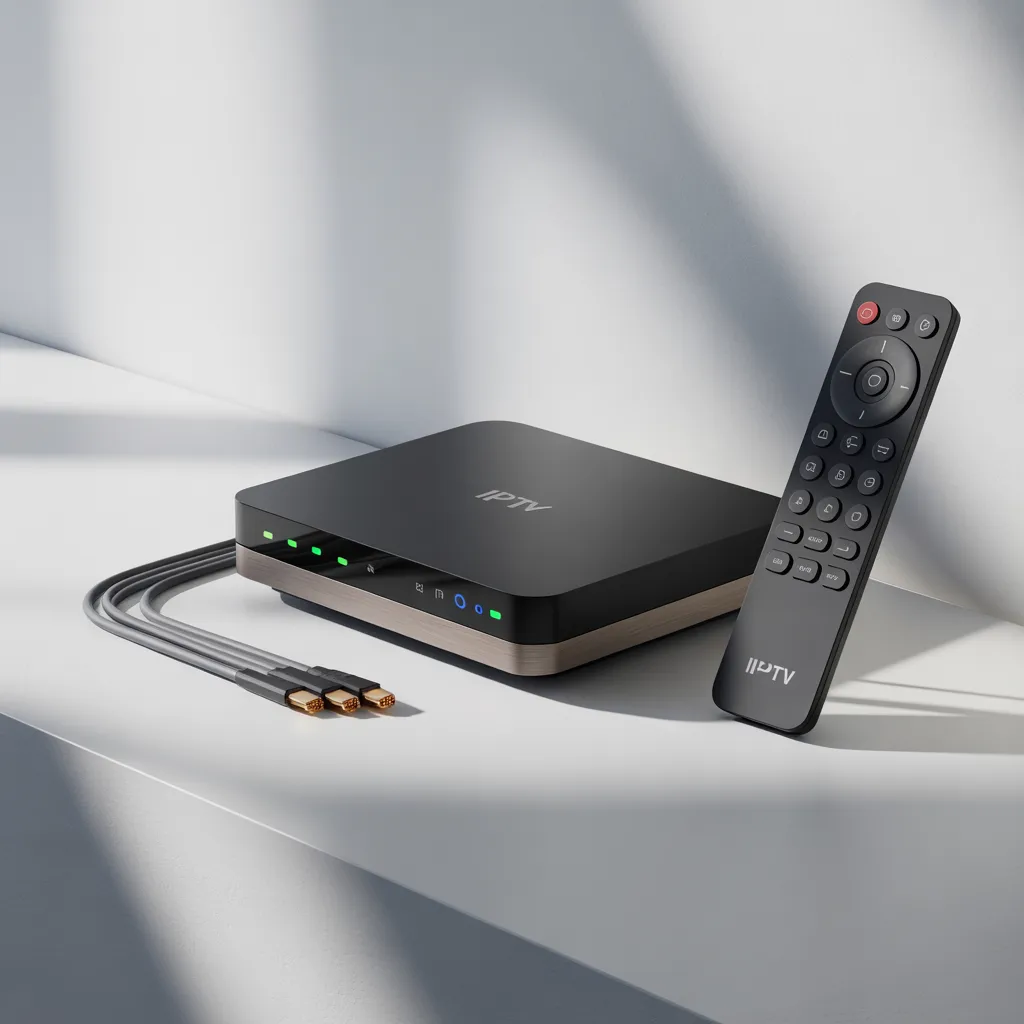
PVI IPTV Equipment: Complete Guide to Professional IPTV Broadcasting Hardware 2026
PVI IPTV equipment refers to professional hardware devices such as IPTV encoders, streamers, transcoders, and network management systems used to convert video signals into IP streams for digital broadcasting over networks. If you’re planning to build a professional IPTV system, understanding PVI IPTV equipment is essential. These devices are widely used by broadcasters, hotels, content creators, and network operators to deliver high-quality video streams over IP networks. From HDMI encoders to multi-channel IPTV gateways, PVI hardware provides reliable solutions for modern video distribution. In this complete guide, you’ll learn what PVI IPTV hardware is, how it works, its main components, key features, and how to choose the right equipment for your IPTV setup. What Is PVI IPTV Equipment? PVI IPTV equipment includes specialized broadcasting hardware designed to convert video inputs (HDMI, SDI, or AV) into IP streams that can be distributed over LAN, WAN, or the internet. These systems are typically used in: The main goal of PVI IPTV systems is simple: convert video signals into digital IP streams that can be viewed anywhere on a network. How PVI IPTV Equipment Works The process usually follows these steps: This workflow makes PVI IPTV equipment essential for any professional IPTV infrastructure. Main Types of PVI IPTV Equipment Understanding the different categories of PVI IPTV equipment helps you design a better system. IPTV Encoders IPTV encoders are the core devices of any IPTV setup. They: Common encoder features include: [Link to related article on HDMI IPTV encoders] IPTV Gateways IPTV gateways combine multiple streams into a unified distribution system. They typically provide: Gateways are often used in hotels and telecom IPTV deployments where scalability matters. IPTV Transcoders Transcoders modify video streams to match device requirements. Key functions include: Transcoders help improve compatibility across devices like: IPTV Streamers Streamers focus on delivering content smoothly across networks. Typical capabilities: These are important parts of modern PVI IPTV equipment ecosystems. Network Management Systems Management platforms control IPTV infrastructure. These solutions allow: Professional IPTV deployments always include centralized management. [Link to related article on IPTV system architecture] Key Features of Professional PVI IPTV Equipment When comparing PVI IPTV equipment, several technical features matter most. Video Compression Standards Modern IPTV hardware supports: H.265 is preferred because it: Input Interface Options Most PVI IPTV hardware supports: Multiple input types increase deployment flexibility. Streaming Protocol Support Professional PVI IPTV equipment supports various protocols: Multiple protocols ensure compatibility across systems. [Link to external documentation on streaming protocols] Resolution Support Modern systems usually support: Higher resolution improves viewing experience but requires stronger network infrastructure. Remote Management Capabilities Professional IPTV systems allow: This makes large IPTV networks easier to manage. Benefits of Using PVI IPTV Equipment Organizations choose PVI IPTV equipment because of its professional capabilities and reliability. High Reliability Professional hardware offers: This reliability is critical for broadcasting. Scalability PVI systems can scale easily. You can: This flexibility makes IPTV future-proof. Cost Efficiency Compared to traditional broadcasting: IPTV reduces: Over time, IPTV becomes more economical. Flexible Deployment PVI IPTV equipment works in many environments: Deployment is simple using existing network infrastructure. Common Use Cases for PVI IPTV Equipment Understanding real-world applications helps illustrate the value of PVI IPTV equipment. Hospitality Industry Hotels use IPTV systems for: Benefits include: Corporate Communication Companies use IPTV for: This improves communication efficiency. Education Sector Schools and universities use IPTV for: [Link to related article on education IPTV solutions] Healthcare Facilities Hospitals use IPTV for: These systems improve patient experience. Broadcasting and Content Creation Content creators rely on PVI IPTV equipment for: [Link to external guide on OTT platforms] How to Choose the Right PVI IPTV Equipment Selecting the right PVI IPTV equipment depends on your project requirements. Step 1: Define Your Channel Requirements Ask: This determines equipment capacity. Step 2: Consider Network Bandwidth Calculate bandwidth needs: Example estimates: Network capacity is critical for quality. [Link to external bandwidth calculation guide] Step 3: Check Protocol Compatibility Ensure equipment supports: Compatibility avoids future issues. Step 4: Evaluate Management Features Look for: Management tools simplify operations. Step 5: Compare Hardware Quality Important factors: Professional PVI IPTV equipment should always include proper thermal design. Essential Components in a PVI IPTV Setup A complete IPTV system usually includes several hardware layers. Core Hardware Components Typical system architecture includes: Input Layer Processing Layer Distribution Layer Viewing Layer This layered structure defines modern PVI IPTV equipment deployments. Installation Best Practices Proper installation improves performance and stability. Network Planning Best practices include: Good network design prevents buffering. Cooling and Environment Professional hardware needs: These improve equipment lifespan. Security Measures Protect IPTV systems with: Security is essential for professional IPTV operations. [Link to external cybersecurity best practices report] PVI IPTV Equipment Maintenance Tips Maintaining PVI IPTV equipment ensures long-term reliability. Regular Firmware Updates Updates provide: Always follow manufacturer update procedures. Monitor System Performance Track: Monitoring prevents failures. Backup Configurations Always backup: This allows quick recovery. Schedule Hardware Checks Routine checks should include: Preventive maintenance saves costs. Future Trends in PVI IPTV Equipment IPTV technology continues evolving. Key trends include: 4K and 8K IPTV Higher resolution broadcasting is expanding rapidly. Drivers include: AI-Based Video Optimization AI is being used for: [Link to external research on AI in video streaming] Cloud IPTV Integration Hybrid IPTV systems now combine: Cloud integration improves scalability. Low Latency Streaming New protocols enable: This is critical for live events. Frequently Asked Questions About PVI IPTV Equipment What is PVI IPTV equipment used for? It is used to convert video signals into IP streams for distribution across networks for broadcasting or internal video delivery. Is PVI IPTV equipment suitable for beginners? Yes. Many systems offer: However, basic networking knowledge helps. How much does PVI IPTV equipment cost? Costs depend on: Entry systems may start affordable, while enterprise systems cost significantly more. Can PVI IPTV equipment stream to YouTube? Many encoders support RTMP streaming, allowing connection to: How long does IPTV hardware last? Professional equipment typically lasts: Regular maintenance extends lifespan. Final Thoughts on PVI IPTV Equipment PVI IPTV equipment plays a
PVI IPTV Encoder HDMI: Complete Expert Guide to HDMI IPTV Encoding Solutions 2026.
A PVI IPTV encoder HDMI is a professional hardware device that converts HDMI video signals into IP streams for IPTV broadcasting, live streaming, and digital signage. These encoders are widely used in hotels, TV stations, churches, education, and corporate environments to deliver high-quality video over networks efficiently. Introduction to PVI IPTV Encoder HDMI A PVI IPTV encoder HDMI is one of the most reliable solutions for converting HDMI video sources into IPTV streams for modern broadcasting environments. Whether you’re distributing content across a hotel network, streaming live events, or building a digital TV headend, this technology provides a stable and scalable solution. In simple terms, a PVI IPTV encoder HDMI takes video from devices like: …and converts the signal into IP streams such as: This allows video to be distributed over LAN networks, IPTV systems, or online platforms. In this expert guide, you’ll learn everything about HDMI IPTV encoders from PVI, including features, benefits, setup methods, and how to choose the right model. What is a PVI IPTV Encoder HDMI? A PVI IPTV encoder HDMI is a hardware encoder designed to transform HDMI input signals into compressed digital streams using codecs like H.264 or H.265 (HEVC). How it works The process typically follows these steps: This makes the device essential for IPTV infrastructure. Common use cases Typical applications include: For more IPTV fundamentals see:[Link to related article on IPTV headend systems] Key Features of PVI HDMI IPTV Encoders Modern PVI IPTV encoder HDMI devices include professional broadcasting features designed for reliability and flexibility. Video encoding capabilities Most PVI encoders support: H.265 is especially valuable because it reduces bandwidth consumption by nearly 50%. Audio support Audio encoding usually includes: This ensures compatibility with IPTV middleware. Network protocols A professional PVI IPTV encoder HDMI typically supports: Management interface Most devices include: Learn more about streaming protocols here:[Link to technical streaming protocol guide] Advantages of Using a PVI IPTV Encoder HDMI Choosing a PVI IPTV encoder HDMI offers multiple advantages compared to software encoding or consumer devices. Reliability Hardware encoders offer: Low latency streaming Hardware encoding provides: This is important for live events. Scalability With multiple encoders you can: Easy integration They work with: External reference:[Link to IPTV architecture research paper] PVI IPTV Encoder HDMI vs Software Encoders Many beginners wonder whether to choose hardware or software encoding. Here is a comparison: Feature PVI HDMI IPTV Encoder Software Encoder Stability Very high Medium Cost Medium Low Maintenance Minimal High Power consumption Low High Reliability Professional Consumer level Latency Low Medium Hardware wins for professional environments. Software options like OBS may work for beginners, but enterprises prefer dedicated hardware. Read more:[Link to related article on OBS streaming setup] Technical Specifications to Look For Before buying a PVI IPTV encoder HDMI, evaluate these specifications. Input specifications Check: Common supported formats: Output options Ensure support for: Compression support Important codecs: H.265 is better for: Bitrate control Look for: Network connectivity Most encoders include: Technical documentation reference:[Link to video compression standards organization] How to Set Up a PVI IPTV Encoder HDMI Setting up a PVI IPTV encoder HDMI is usually straightforward. Basic setup process Follow these steps: Step 1 – Connect HDMI source Connect: HDMI source → HDMI cable → Encoder HDMI input Step 2 – Connect network cable Connect: Encoder LAN port → Switch → Router Step 3 – Power device Turn on the encoder and wait for boot. Step 4 – Access web interface Steps: Step 5 – Configure stream Configure: Step 6 – Test stream Open VLC and test: Network Stream → Enter URL Setup tutorials:[Link to IPTV installation tutorial] Best Applications for PVI IPTV Encoder HDMI A PVI IPTV encoder HDMI fits many industries. Hospitality industry Hotels use IPTV encoders for: Education Schools use encoders for: Education trends:[Link to education technology streaming report] Corporate use Businesses use IPTV for: Religious organizations Churches use encoders for: Broadcasting TV operators use PVI devices for: Important Buying Factors Before choosing a PVI IPTV encoder HDMI, consider these factors. Number of channels Ask: Do you need: Codec requirements Choose: H.264 if: Choose H.265 if: Resolution needs Ask: Do you need: Budget range Typical ranges: Support and updates Check: Buying checklist:[Link to IPTV equipment buying checklist] Troubleshooting Common Issues Even the best PVI IPTV encoder HDMI devices may encounter issues. Here are common problems. No video signal Check: Stream not playing Verify: High latency Adjust: Audio problems Check: Troubleshooting guide:[Link to IPTV troubleshooting article] Best Practices for Using PVI IPTV Encoder HDMI Follow these professional recommendations. Use proper network design Always use: Optimize bitrate Typical recommendations: 1080p IPTV: Monitor temperature Install: Update firmware Always: Security practices reference:[Link to network security best practices report] Future Trends in HDMI IPTV Encoding The future of PVI IPTV encoder HDMI technology is evolving. Major trends include: AI video optimization New encoders include: 4K adoption 4K IPTV is growing due to: Cloud integration Encoders now connect to: Industry trends:[Link to global video streaming market report] Frequently Asked Questions What does a PVI IPTV encoder HDMI do? It converts HDMI video into IPTV streams for network distribution. Can I stream to YouTube? Yes, most support RTMP. Do I need IPTV middleware? Not always. Simple setups may only require a player. Is H.265 better? Yes if bandwidth matters. How many devices can watch? Depends on: FAQ reference:[Link to IPTV FAQ resource] Who Should Use a PVI IPTV Encoder HDMI? This technology is ideal for: Beginners Those building: Integrators System integrators building: Broadcasters Professionals needing: Final Thoughts A PVI IPTV encoder HDMI remains one of the most important tools in modern video distribution. Its reliability, scalability, and professional performance make it a core component of IPTV networks. Whether you are building a small IPTV system or a large broadcast infrastructure, choosing the right encoder will determine: By understanding features, setup methods, and best practices, you can deploy a successful IPTV solution. For more guides see:[Link to complete IPTV beginner guide] Meta Description PVI IPTV encoder HDMI guide covering features, setup, benefits, and buying tips. Learn
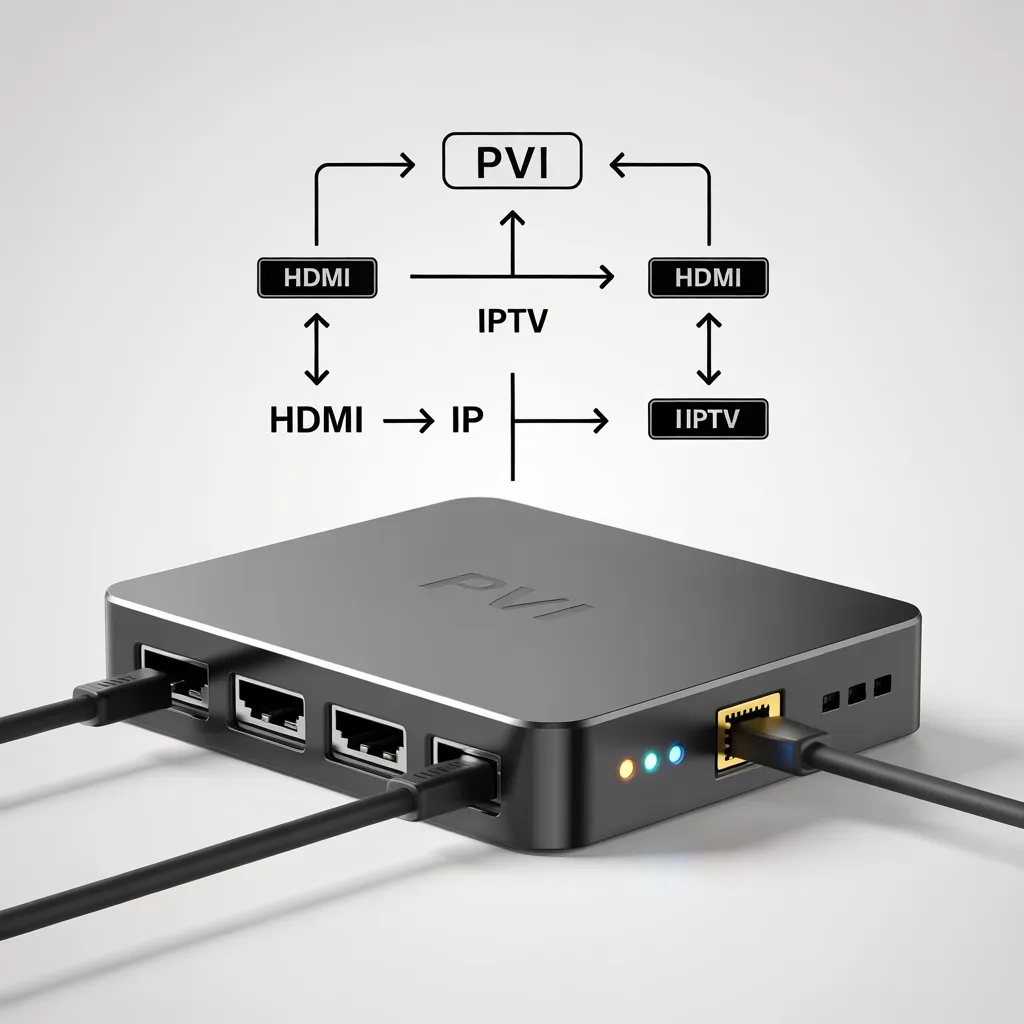
PVI HDMI to IPTV: Complete Guide to Converting HDMI Video into IPTV Streams (2026)
PVI HDMI to IPTV devices are professional video encoders that convert HDMI signals from cameras, PCs, or media players into IPTV streams that can be broadcast over local networks or the internet. These devices are commonly used in broadcasting, education, corporate streaming, hotels, and digital signage because they provide reliable, low-latency video distribution. If you want to stream HDMI video to multiple screens without complex cabling, a PVI HDMI to IPTV encoder is one of the most efficient solutions available today. Introduction to PVI HDMI to IPTV Technology The demand for IPTV streaming continues to grow as businesses and organizations move toward network-based video distribution. One of the most reliable solutions for this transition is PVI HDMI to IPTV technology, which allows you to convert HDMI signals into IP streams that can be delivered across networks. A PVI HDMI to IPTV encoder acts as a bridge between traditional video sources and modern IP-based distribution systems. Instead of running long HDMI cables, you simply connect your video source to the encoder and stream it through your network. This technology is widely used in: As IPTV infrastructure becomes more affordable, PVI HDMI to IPTV solutions are becoming essential tools for modern AV distribution. [Link to related article on IPTV infrastructure basics] What is a PVI HDMI to IPTV Encoder? A PVI HDMI to IPTV encoder is a hardware device that captures HDMI video input and converts it into a compressed digital stream such as: These streams can then be distributed through: How PVI HDMI to IPTV Works The process typically follows these steps: This makes PVI HDMI to IPTV systems far more scalable than traditional HDMI distribution. Key Features of PVI HDMI to IPTV Devices Modern PVI HDMI to IPTV encoders include advanced features designed for professional streaming environments. Video Encoding Capabilities Most encoders support: These features ensure efficient bandwidth usage while maintaining video quality. Network Streaming Protocols Professional PVI HDMI to IPTV solutions support multiple protocols: This flexibility allows integration with many IPTV ecosystems. [Link to related article on IPTV streaming protocols] Audio Processing Support Audio features may include: Benefits of Using PVI HDMI to IPTV Solutions Organizations adopt PVI HDMI to IPTV systems because they offer several advantages compared to traditional video distribution methods. 1. Reduced Infrastructure Costs Instead of expensive HDMI matrix systems: 2. Scalable Distribution With PVI HDMI to IPTV technology, you can: This makes IPTV ideal for growing businesses. 3. Remote Management Most devices include web dashboards allowing: 4. Reliable Streaming Quality Advantages include: [Link to external report on video streaming standards] Common Use Cases of PVI HDMI to IPTV Hospitality Industry Hotels use PVI HDMI to IPTV encoders to: Corporate Environments Companies use these systems for: Education Sector Universities deploy IPTV for: [Link to related article on educational IPTV systems] Healthcare Facilities Hospitals use IPTV for: How to Choose the Best PVI HDMI to IPTV Encoder Selecting the right PVI HDMI to IPTV device depends on your technical needs. Important Buying Factors Consider: Resolution Support Choose based on your needs: Codec Support Recommended: Bitrate Control Look for: Protocol Compatibility Ensure support for: Build Quality Important factors include: PVI HDMI to IPTV vs Traditional HDMI Distribution Many users compare PVI HDMI to IPTV against HDMI matrix systems. Here is a comparison: Feature PVI HDMI to IPTV HDMI Matrix Distance Unlimited Limited Scalability Very high Limited Cost Lower long term Higher expansion cost Cabling Network cable HDMI cables Management Remote Manual IPTV clearly offers more flexibility. Installation Guide for PVI HDMI to IPTV Systems Setting up a PVI HDMI to IPTV encoder is straightforward. Basic Setup Steps Step 1 – Connect Video Source Connect: Step 2 – Connect Network Attach: Step 3 – Configure Encoder Access: Step 4 – Configure IPTV Players Use: [Link to VLC setup guide] Step 5 – Test Stream Verify: Troubleshooting Common PVI HDMI to IPTV Issues Even good systems may experience issues. No Video Signal Possible causes: Solutions: Network Streaming Problems Causes include: Fixes: Audio Problems Common fixes: [Link to IPTV troubleshooting guide] Best Practices for Using PVI HDMI to IPTV To get maximum performance: Network Optimization Tips Use: Security Recommendations Implement: [Link to cybersecurity IPTV recommendations] Performance Optimization Adjust: Future Trends in HDMI to IPTV Technology The future of PVI HDMI to IPTV solutions looks promising with improvements in: AI Video Optimization New encoders include: 4K and 8K Streaming Emerging trends: Cloud IPTV Integration Growing adoption of: [Link to external IPTV market research report] According to industry forecasts, IPTV will continue expanding rapidly due to cloud and AI integration. Who Should Use PVI HDMI to IPTV? This technology is ideal for: Beginners If you want simple video distribution. Businesses If you need scalable streaming. Integrators If you build AV solutions. Broadcasters If you distribute content professionally. IT Administrators If you manage network video. Frequently Asked Questions About PVI HDMI to IPTV Is PVI HDMI to IPTV difficult to set up? No. Most devices offer web interfaces making configuration simple. Can I stream to YouTube? Yes if RTMP is supported. How much bandwidth is needed? Typical requirements: Is IPTV better than HDMI distribution? For large installations yes. Do I need special receivers? Options include: Final Thoughts on PVI HDMI to IPTV Technology PVI HDMI to IPTV solutions provide a powerful and cost-effective way to distribute video content over networks. Whether you manage a hotel, business, school, or broadcasting system, these encoders offer scalability, flexibility, and professional performance. As video distribution continues shifting toward IP infrastructure, investing in a reliable HDMI to IPTV solution is a smart long-term decision. Conclusion If you want a reliable way to distribute HDMI video across multiple displays, PVI HDMI to IPTV devices offer one of the best solutions available today. They reduce costs, simplify infrastructure, and provide scalable video distribution for modern environments. Whether you are a beginner or an AV professional, adopting IPTV encoding technology can significantly improve how you manage and deliver video content. Meta Description (SEO) PVI HDMI to IPTV guide: learn how HDMI
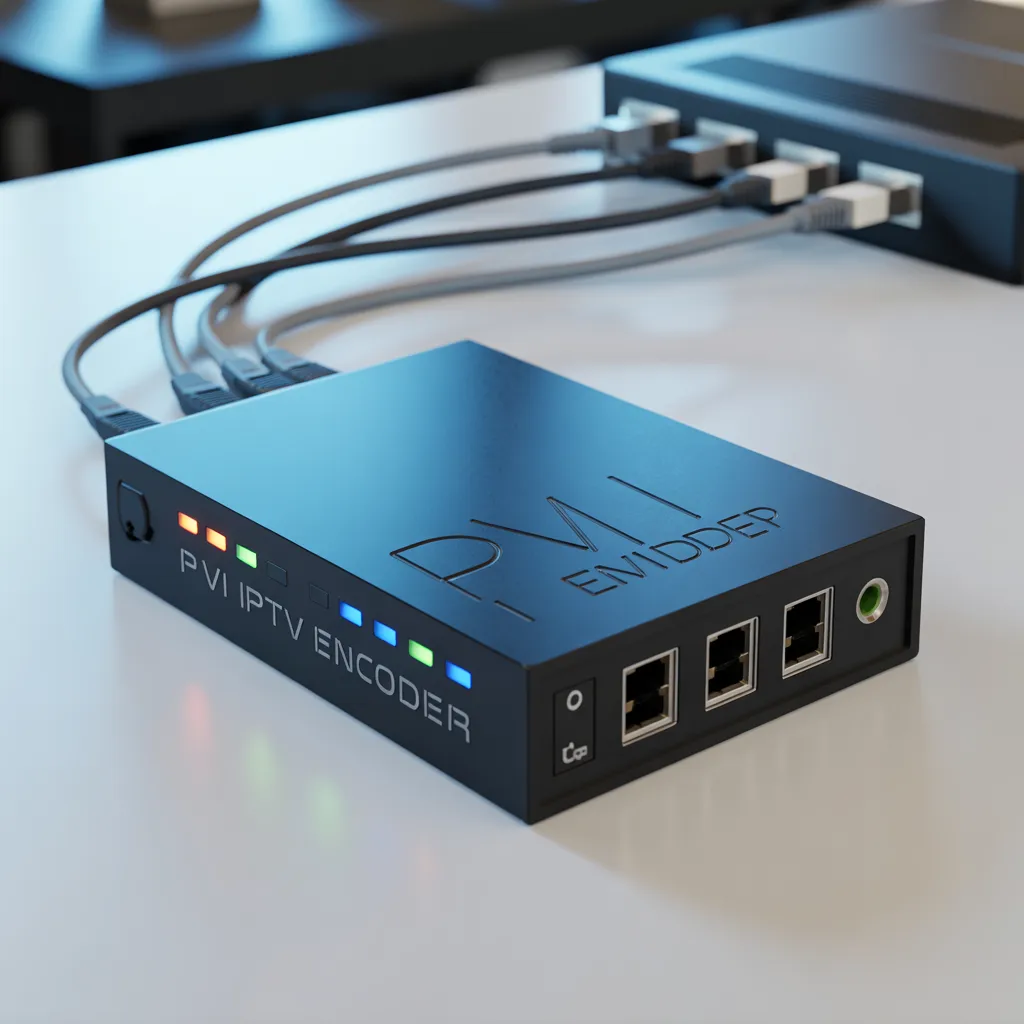
PVI HDMI IPTV Encoder: Complete Guide to Features, Setup, and Best Use Cases (2026)
A PVI HDMI IPTV encoder is a hardware device that converts HDMI video signals into IP streams for live broadcasting over networks. It is commonly used in IPTV systems, live streaming, digital signage, education, and corporate video distribution because of its reliability, low latency, and professional video quality. What is a PVI HDMI IPTV Encoder? A PVI HDMI IPTV encoder is a professional video encoding device designed to convert HDMI input signals into digital IP streams using protocols such as RTMP, RTSP, HLS, or UDP. This allows video content to be transmitted over local networks or the internet. Unlike software encoders, a PVI HDMI IPTV encoder works as a dedicated hardware solution, offering better stability and continuous 24/7 operation. These devices are widely used in: If you are building a professional IPTV distribution system, this type of encoder is considered an essential component. How a PVI HDMI IPTV Encoder Works Understanding how a PVI HDMI IPTV encoder works is simple when broken into steps: Step-by-Step Process This process allows one HDMI signal to be distributed to thousands of viewers simultaneously. Key Features of a PVI HDMI IPTV Encoder When choosing a PVI HDMI IPTV encoder, you should evaluate its main features carefully. Video Performance Features Most modern encoders include: These features ensure optimal bandwidth usage while maintaining quality. Network and Streaming Features Professional IPTV encoders typically support: These protocols allow integration with most IPTV platforms. Hardware Advantages A hardware PVI HDMI IPTV encoder typically provides: Hardware encoders are preferred in professional environments because software crashes do not affect them. Main Benefits of Using a PVI HDMI IPTV Encoder Investing in a PVI HDMI IPTV encoder provides several important advantages. 1. Professional Video Quality Hardware encoding ensures: 2. Reliability for Continuous Streaming Unlike PC-based encoders: 3. Lower Bandwidth Usage Advanced compression allows: 4. Easy Remote Management Many devices include: 5. Scalability A PVI HDMI IPTV encoder can easily scale: This makes them ideal for growing IPTV services. Common Use Cases for PVI HDMI IPTV Encoder Devices A PVI HDMI IPTV encoder can be used across many industries. Broadcasting and Live Streaming Typical examples include: Organizations use them to stream to platforms like: [Link to live streaming platform comparison guide] IPTV Service Providers IPTV providers use these encoders to: [Link to IPTV headend architecture guide] Education Sector Schools and universities use them for: [Link to education streaming solutions article] Corporate Applications Companies deploy encoders for: [Link to corporate video distribution guide] Hospitality Industry Hotels use IPTV encoders for: [Link to hotel IPTV deployment guide] PVI HDMI IPTV Encoder vs Software IPTV Encoders Choosing between hardware and software depends on your needs. Hardware Encoder Advantages A PVI HDMI IPTV encoder offers: Software Encoder Advantages Software encoders provide: Comparison Table Feature PVI HDMI IPTV Encoder Software Encoder Stability Excellent Moderate Cost Higher upfront Lower upfront Maintenance Low Moderate Performance Dedicated Depends on PC 24/7 Streaming Ideal Risk of interruption For mission-critical streaming, hardware remains the industry standard. How to Set Up a PVI HDMI IPTV Encoder Setting up a PVI HDMI IPTV encoder is usually straightforward. Basic Installation Steps 1. Connect Video Source Connect: 2. Connect Network Cable Use: 3. Access Web Interface Typically: 4. Configure Streaming Settings Set: 5. Start Streaming Once configured: [Link to IPTV network configuration tutorial] Best Configuration Settings for Optimal Performance To get the best performance from a PVI HDMI IPTV encoder, consider these recommended settings. Recommended Video Settings For Full HD: For bandwidth efficiency: Audio Settings Recommended: Network Optimization Best practices: [Link to network optimization best practices] Security Considerations for IPTV Encoding Devices Security is often overlooked but very important. When deploying a PVI HDMI IPTV encoder, implement: Basic Security Practices Advanced Security Practices For enterprise setups: [Link to cybersecurity best practices report] Troubleshooting Common PVI HDMI IPTV Encoder Issues Even reliable devices sometimes encounter issues. No Video Signal Possible causes: Stream Not Playing Check: Poor Video Quality Adjust: Overheating Solutions: [Link to IPTV troubleshooting checklist] How to Choose the Best PVI HDMI IPTV Encoder Before buying a PVI HDMI IPTV encoder, evaluate the following factors. Technical Considerations Look for: Operational Considerations Also check: Budget Considerations Balance: Cheaper encoders may cost more long term due to downtime. Future Trends in IPTV Encoding Technology The IPTV encoder market continues evolving. Important trends include: AI Video Optimization Future encoders may include: Cloud Integration Emerging capabilities: Ultra Low Latency Streaming New protocols: 8K Streaming Preparation While still emerging: [Link to video streaming technology trends report] Frequently Asked Questions About PVI HDMI IPTV Encoder What is the main purpose of a PVI HDMI IPTV encoder? The main purpose of a PVI HDMI IPTV encoder is to convert HDMI video into IP streams for distribution across networks or the internet. Is a PVI HDMI IPTV encoder better than a PC encoder? For professional use, yes. Hardware encoders provide: Can beginners use a PVI HDMI IPTV encoder? Yes. Most devices offer: Does it support YouTube streaming? Most models support RTMP, making them compatible with major streaming platforms. How many viewers can one encoder support? There is no fixed limit. Viewer capacity depends on: Final Thoughts A PVI HDMI IPTV encoder remains one of the most important devices in modern video distribution systems. Whether you operate an IPTV service, manage corporate communications, or run live streams, this device provides stability, quality, and scalability. As streaming continues growing globally, investing in a reliable encoder ensures your video infrastructure remains future-ready. If you are serious about building a professional IPTV system, choosing the right encoder is not optional — it is foundational. Conclusion Choosing the right PVI HDMI IPTV encoder can dramatically improve your streaming quality, network efficiency, and operational reliability. By understanding features, configuration, and best practices, you can build a professional IPTV workflow that performs consistently. If you are planning to expand your IPTV infrastructure, this is the perfect time to evaluate encoder options and future-proof your setup. Meta Description PVI HDMI IPTV encoder guide covering features, setup, benefits, and best use cases. Learn
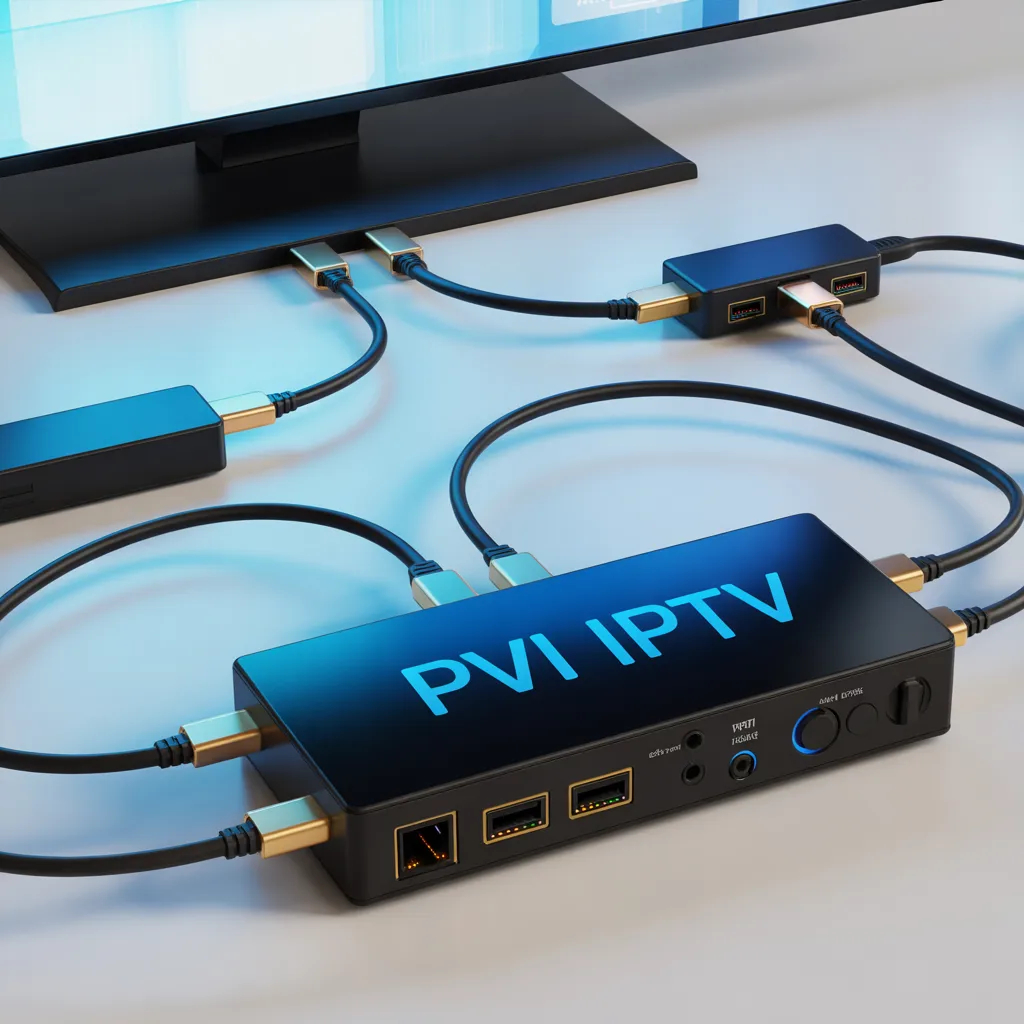
PVI HDMI IPTV: Complete Guide to PVI HDMI IPTV Encoders, Setup, Features, and Benefits
PVI HDMI IPTV refers to IPTV encoding devices that use HDMI input to convert video signals into IP streams for online broadcasting or private network distribution. These devices are commonly used for live streaming, digital signage, broadcasting, education, and hotel TV systems. A typical PVI HDMI IPTV encoder allows users to: This guide explains everything you need to know about PVI HDMI IPTV encoders, how they work, how to set them up, and how to choose the best one. What is PVI HDMI IPTV? PVI HDMI IPTV technology combines HDMI video input with IPTV encoding capabilities. It allows a video source such as: to be converted into an IP stream that can be watched on: Instead of using traditional coaxial broadcasting, PVI HDMI IPTV solutions distribute content using standard network infrastructure. How PVI HDMI IPTV Works HDMI Signal Conversion Process A PVI HDMI IPTV encoder works in three main steps: 1. Video Input Capture The encoder receives HDMI video from a source device. 2. Video Compression The device compresses the video using codecs like: 3. Network Streaming The compressed stream is delivered through IP protocols such as: This process allows real-time distribution with minimal latency. Key Features of PVI HDMI IPTV Encoders When choosing a PVI HDMI IPTV device, several features determine performance and reliability. Video Quality Support Most modern PVI HDMI IPTV encoders support: Higher bitrate support usually means better picture clarity. Multi-Protocol Streaming Support A good encoder should support multiple protocols such as: This ensures compatibility with various IPTV platforms. Low Latency Streaming Low latency is critical for: Professional PVI HDMI IPTV encoders can achieve latency under 200ms. Remote Management Many devices include web management panels allowing: [Link to related article on IPTV network optimization] Benefits of Using PVI HDMI IPTV Solutions Cost-Effective Broadcasting Traditional broadcasting requires expensive infrastructure. IPTV allows distribution through existing networks. Advantages include: Flexible Content Distribution PVI HDMI IPTV allows streaming to: This flexibility makes IPTV ideal for enterprise use. Easy Installation Most encoders follow a simple setup: Even beginners can complete installation within minutes. High Reliability Professional encoders offer: Common Use Cases of PVI HDMI IPTV Hotels and Hospitality Hotels use PVI HDMI IPTV systems for: Education Sector Schools and universities use IPTV encoders for: [Link to related article on IPTV in education systems] Corporate Streaming Businesses use PVI HDMI IPTV for: Churches and Events Religious organizations and event managers use IPTV encoders for: Security Monitoring Security teams stream camera feeds through IPTV networks. Applications include: PVI HDMI IPTV vs Traditional IPTV Encoders Key Differences Feature PVI HDMI IPTV Traditional Encoders Input HDMI HDMI/SDI/AV Setup Simple Moderate Cost Affordable Higher Target Users SMB & prosumers Broadcasters Maintenance Easy Requires expertise PVI HDMI IPTV devices are typically designed to balance affordability and performance. How to Choose the Best PVI HDMI IPTV Encoder Selecting the right encoder depends on your needs. Consider Video Resolution Needs Ask yourself: For most users, 1080p is sufficient. Check Network Compatibility Verify support for: Look at Codec Support HEVC (H.265) offers: H.264 remains widely compatible. Evaluate Reliability Features Look for: Compare Price vs Performance Avoid choosing the cheapest device without checking: [Link to buyer’s guide for IPTV encoders] How to Set Up a PVI HDMI IPTV Encoder Basic Setup Guide Follow these steps: Step 1 – Connect Video Source Connect your HDMI source such as: Step 2 – Connect Network Cable Use CAT6 cable for stability. Step 3 – Access Admin Panel Usually via: 192.168.1.168 Login using default credentials. Step 4 – Configure Stream Settings Adjust: Step 5 – Start Streaming Copy stream URL into: Best Practices for PVI HDMI IPTV Streaming Optimize Bitrate Settings Recommended: Resolution Bitrate 720p 2–4 Mbps 1080p 4–8 Mbps 4K 15–25 Mbps Use Stable Network Infrastructure Recommendations: Monitor Network Performance Track: [Link to external networking performance report] Troubleshooting PVI HDMI IPTV Issues No Stream Output Check: Buffering Problems Possible causes: Solutions: Audio Problems Check: Security Considerations for IPTV Networks IPTV networks must be secured. Best practices include: [Link to cybersecurity best practices guide] Future Trends of PVI HDMI IPTV Technology IPTV technology continues evolving. Key trends include: AI Video Optimization AI is improving: Cloud IPTV Integration Cloud integration enables: 8K Streaming Preparation While rare today, future encoders may support: Edge Streaming Technology Edge processing reduces: Frequently Asked Questions About PVI HDMI IPTV Is PVI HDMI IPTV good for beginners? Yes. Most devices include simple web interfaces and require minimal networking knowledge. Can I stream to YouTube? Yes if RTMP is supported. Do I need IPTV middleware? Not always. VLC can play streams directly. What internet speed is required? Depends on bitrate. Example: Can one encoder stream to multiple users? Yes through multicast or server distribution. Advantages and Disadvantages of PVI HDMI IPTV Advantages Disadvantages Who Should Use PVI HDMI IPTV? Ideal Users PVI HDMI IPTV is perfect for: Beginners People learning IPTV broadcasting. Businesses Companies needing internal video distribution. Content creators Streamers wanting reliable encoding. Integrators AV professionals building IPTV systems. Educational institutions Distance learning providers. Expert Tips for Getting the Best Results Follow these expert recommendations: These small steps significantly improve reliability. Conclusion: Is PVI HDMI IPTV Worth It? PVI HDMI IPTV solutions offer an excellent balance between affordability, simplicity, and professional performance. Whether you want to build an IPTV network, stream events, or distribute content internally, these encoders provide a reliable solution. Their key strengths include: For most organizations and beginners, PVI HDMI IPTV encoders represent one of the best entry points into professional IP video distribution. Final Thoughts As IPTV adoption continues growing, PVI HDMI IPTV devices will become even more important for digital broadcasting and enterprise video delivery. Investing in the right encoder today can future-proof your streaming infrastructure. [Link to complete IPTV beginner guide][Link to advanced IPTV architecture article] Meta Description Discover PVI HDMI IPTV encoders, how they work, setup steps, features, benefits, and expert buying tips in this complete professional guide to IPTV HDMI streaming.