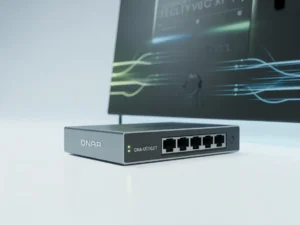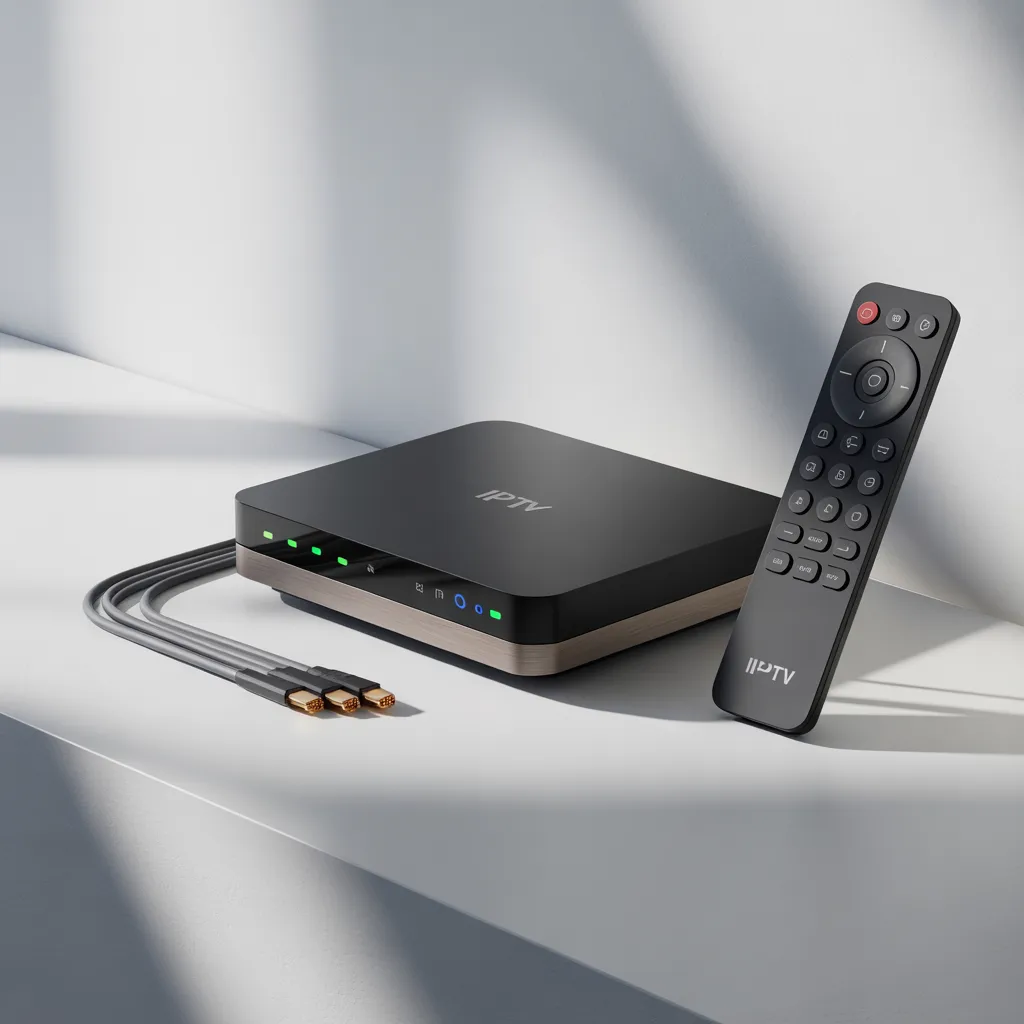

PVI IPTV equipment refers to professional hardware devices such as IPTV encoders, streamers, transcoders, and network management systems used to convert video signals into IP streams for digital broadcasting over networks.
If you’re planning to build a professional IPTV system, understanding PVI IPTV equipment is essential. These devices are widely used by broadcasters, hotels, content creators, and network operators to deliver high-quality video streams over IP networks. From HDMI encoders to multi-channel IPTV gateways, PVI hardware provides reliable solutions for modern video distribution.
In this complete guide, you’ll learn what PVI IPTV hardware is, how it works, its main components, key features, and how to choose the right equipment for your IPTV setup.
What Is PVI IPTV Equipment?
PVI IPTV equipment includes specialized broadcasting hardware designed to convert video inputs (HDMI, SDI, or AV) into IP streams that can be distributed over LAN, WAN, or the internet.
These systems are typically used in:
- IPTV broadcasting platforms
- Hotels and hospitality TV systems
- Corporate video distribution
- Education streaming networks
- Religious broadcasting
- Live event streaming
- Digital signage networks
The main goal of PVI IPTV systems is simple: convert video signals into digital IP streams that can be viewed anywhere on a network.
How PVI IPTV Equipment Works
The process usually follows these steps:
- Video source connects (camera, satellite receiver, media player)
- IPTV encoder compresses the video
- Stream is converted into IP format
- Network distributes the stream
- IPTV players decode and display content
This workflow makes PVI IPTV equipment essential for any professional IPTV infrastructure.
Main Types of PVI IPTV Equipment
Understanding the different categories of PVI IPTV equipment helps you design a better system.
IPTV Encoders
IPTV encoders are the core devices of any IPTV setup.
They:
- Convert HDMI/SDI to IP streams
- Support H.264 or H.265 compression
- Reduce bandwidth usage
- Enable live streaming
Common encoder features include:
- 1080p and 4K support
- Bitrate control
- Multiple protocols (RTMP, RTSP, UDP, HLS)
- Remote management
[Link to related article on HDMI IPTV encoders]
IPTV Gateways
IPTV gateways combine multiple streams into a unified distribution system.
They typically provide:
- Multi-channel processing
- Stream routing
- Protocol conversion
- Network optimization
Gateways are often used in hotels and telecom IPTV deployments where scalability matters.
IPTV Transcoders
Transcoders modify video streams to match device requirements.
Key functions include:
- Resolution conversion
- Bitrate optimization
- Format conversion
- Bandwidth reduction
Transcoders help improve compatibility across devices like:
- Smart TVs
- Mobile devices
- IPTV boxes
- Web players
IPTV Streamers
Streamers focus on delivering content smoothly across networks.
Typical capabilities:
- Live streaming support
- Video-on-demand delivery
- Multi-device compatibility
- Adaptive bitrate streaming
These are important parts of modern PVI IPTV equipment ecosystems.
Network Management Systems
Management platforms control IPTV infrastructure.
These solutions allow:
- Device monitoring
- Remote configuration
- Stream management
- Firmware updates
- User access control
Professional IPTV deployments always include centralized management.
[Link to related article on IPTV system architecture]
Key Features of Professional PVI IPTV Equipment
When comparing PVI IPTV equipment, several technical features matter most.
Video Compression Standards
Modern IPTV hardware supports:
- H.264 AVC
- H.265 HEVC
- MPEG-4
- MJPEG
H.265 is preferred because it:
- Reduces bandwidth usage
- Improves quality
- Saves storage
- Supports 4K streaming
Input Interface Options
Most PVI IPTV hardware supports:
- HDMI
- SDI
- CVBS
- VGA
- Audio inputs
Multiple input types increase deployment flexibility.
Streaming Protocol Support
Professional PVI IPTV equipment supports various protocols:
- RTMP (live platforms)
- RTSP (surveillance and IPTV)
- UDP (local IPTV)
- HLS (web streaming)
- SRT (secure transmission)
Multiple protocols ensure compatibility across systems.
[Link to external documentation on streaming protocols]
Resolution Support
Modern systems usually support:
- 720p
- 1080p
- 4K UHD
Higher resolution improves viewing experience but requires stronger network infrastructure.
Remote Management Capabilities
Professional IPTV systems allow:
- Web control panels
- Cloud management
- SNMP monitoring
- Remote diagnostics
This makes large IPTV networks easier to manage.
Benefits of Using PVI IPTV Equipment
Organizations choose PVI IPTV equipment because of its professional capabilities and reliability.
High Reliability
Professional hardware offers:
- 24/7 operation
- Stable firmware
- Industrial components
- Long lifespan
This reliability is critical for broadcasting.
Scalability
PVI systems can scale easily.
You can:
- Add channels
- Expand network coverage
- Increase viewers
- Integrate new devices
This flexibility makes IPTV future-proof.
Cost Efficiency
Compared to traditional broadcasting:
IPTV reduces:
- Cabling costs
- Infrastructure costs
- Maintenance expenses
- Distribution complexity
Over time, IPTV becomes more economical.
Flexible Deployment
PVI IPTV equipment works in many environments:
- Offices
- Hospitals
- Campuses
- Hotels
- Retail stores
Deployment is simple using existing network infrastructure.
Common Use Cases for PVI IPTV Equipment
Understanding real-world applications helps illustrate the value of PVI IPTV equipment.
Hospitality Industry
Hotels use IPTV systems for:
- Guest entertainment
- Information channels
- Advertising
- Room service menus
Benefits include:
- Central control
- Custom content
- Branding opportunities
Corporate Communication
Companies use IPTV for:
- Internal announcements
- Training content
- Live meetings
- Digital signage
This improves communication efficiency.
Education Sector
Schools and universities use IPTV for:
- Lecture broadcasting
- Campus information
- Distance learning
- Event streaming
[Link to related article on education IPTV solutions]
Healthcare Facilities
Hospitals use IPTV for:
- Patient entertainment
- Information displays
- Emergency communication
These systems improve patient experience.
Broadcasting and Content Creation
Content creators rely on PVI IPTV equipment for:
- Live YouTube streaming
- OTT platforms
- Event broadcasting
- Multi-platform distribution
[Link to external guide on OTT platforms]
How to Choose the Right PVI IPTV Equipment
Selecting the right PVI IPTV equipment depends on your project requirements.
Step 1: Define Your Channel Requirements
Ask:
- How many channels?
- Live or VOD?
- HD or 4K?
- Internal or public network?
This determines equipment capacity.
Step 2: Consider Network Bandwidth
Calculate bandwidth needs:
Example estimates:
- SD channel → 2–4 Mbps
- HD channel → 4–8 Mbps
- 4K channel → 15–25 Mbps
Network capacity is critical for quality.
[Link to external bandwidth calculation guide]
Step 3: Check Protocol Compatibility
Ensure equipment supports:
- Your IPTV middleware
- Player devices
- CDN systems
- Streaming platforms
Compatibility avoids future issues.
Step 4: Evaluate Management Features
Look for:
- Web UI control
- Monitoring dashboards
- Alert systems
- API integration
Management tools simplify operations.
Step 5: Compare Hardware Quality
Important factors:
- Metal chassis
- Cooling system
- Power efficiency
- Warranty support
Professional PVI IPTV equipment should always include proper thermal design.
Essential Components in a PVI IPTV Setup
A complete IPTV system usually includes several hardware layers.
Core Hardware Components
Typical system architecture includes:
Input Layer
- Cameras
- Satellite receivers
- Media players
Processing Layer
- IPTV encoders
- Transcoders
- Gateways
Distribution Layer
- Network switches
- Routers
- Firewalls
Viewing Layer
- IPTV boxes
- Smart TVs
- Mobile apps
- Web players
This layered structure defines modern PVI IPTV equipment deployments.
Installation Best Practices
Proper installation improves performance and stability.
Network Planning
Best practices include:
- Use managed switches
- Enable VLANs
- Prioritize IPTV traffic
- Monitor bandwidth
Good network design prevents buffering.
Cooling and Environment
Professional hardware needs:
- Rack ventilation
- Clean power supply
- Temperature monitoring
- UPS protection
These improve equipment lifespan.
Security Measures
Protect IPTV systems with:
- Strong passwords
- Firewall rules
- VPN access
- Firmware updates
Security is essential for professional IPTV operations.
[Link to external cybersecurity best practices report]
PVI IPTV Equipment Maintenance Tips
Maintaining PVI IPTV equipment ensures long-term reliability.
Regular Firmware Updates
Updates provide:
- Security patches
- Feature improvements
- Bug fixes
Always follow manufacturer update procedures.
Monitor System Performance
Track:
- CPU usage
- Bitrate levels
- Network latency
- Packet loss
Monitoring prevents failures.
Backup Configurations
Always backup:
- Encoder settings
- Network configurations
- Channel lists
This allows quick recovery.
Schedule Hardware Checks
Routine checks should include:
- Cable inspection
- Cooling fans
- Power supplies
- Network ports
Preventive maintenance saves costs.
Future Trends in PVI IPTV Equipment
IPTV technology continues evolving.
Key trends include:
4K and 8K IPTV
Higher resolution broadcasting is expanding rapidly.
Drivers include:
- Faster networks
- Better compression
- Consumer demand
AI-Based Video Optimization
AI is being used for:
- Bitrate optimization
- Quality enhancement
- Automated monitoring
- Fault detection
[Link to external research on AI in video streaming]
Cloud IPTV Integration
Hybrid IPTV systems now combine:
- On-premise encoders
- Cloud distribution
- CDN delivery
- Remote management
Cloud integration improves scalability.
Low Latency Streaming
New protocols enable:
- Ultra-low latency streaming
- Real-time broadcasting
- Interactive IPTV services
This is critical for live events.
Frequently Asked Questions About PVI IPTV Equipment
What is PVI IPTV equipment used for?
It is used to convert video signals into IP streams for distribution across networks for broadcasting or internal video delivery.
Is PVI IPTV equipment suitable for beginners?
Yes. Many systems offer:
- Simple web interfaces
- Plug-and-play setup
- Documentation support
However, basic networking knowledge helps.
How much does PVI IPTV equipment cost?
Costs depend on:
- Number of channels
- Resolution support
- Hardware capacity
- Management features
Entry systems may start affordable, while enterprise systems cost significantly more.
Can PVI IPTV equipment stream to YouTube?
Many encoders support RTMP streaming, allowing connection to:
- YouTube Live
- Facebook Live
- Twitch
- Custom CDN platforms
How long does IPTV hardware last?
Professional equipment typically lasts:
- 5–10 years with proper maintenance
- Longer in controlled environments
Regular maintenance extends lifespan.
Final Thoughts on PVI IPTV Equipment
PVI IPTV equipment plays a critical role in modern video distribution. Whether you’re building a hotel TV network, corporate streaming system, or broadcasting platform, choosing the right hardware determines your success.
The key takeaways:
- Choose scalable equipment
- Prioritize compatibility
- Invest in management tools
- Plan network capacity carefully
- Maintain systems regularly
With the right strategy, IPTV infrastructure becomes a powerful digital asset.
Meta Description
Professional guide to PVI IPTV equipment, including encoders, gateways, features, benefits, and buying tips. Learn how to choose the best IPTV hardware.
Ready to Build Your IPTV System?
If you’re planning to invest in PVI IPTV equipment, now is the perfect time to start building a reliable and scalable IPTV infrastructure.
Next steps you can take today:
- Research compatible IPTV encoders
- Plan your channel structure
- Evaluate your network capacity
- Compare professional IPTV hardware
- Read more IPTV deployment guides