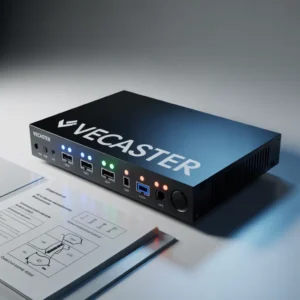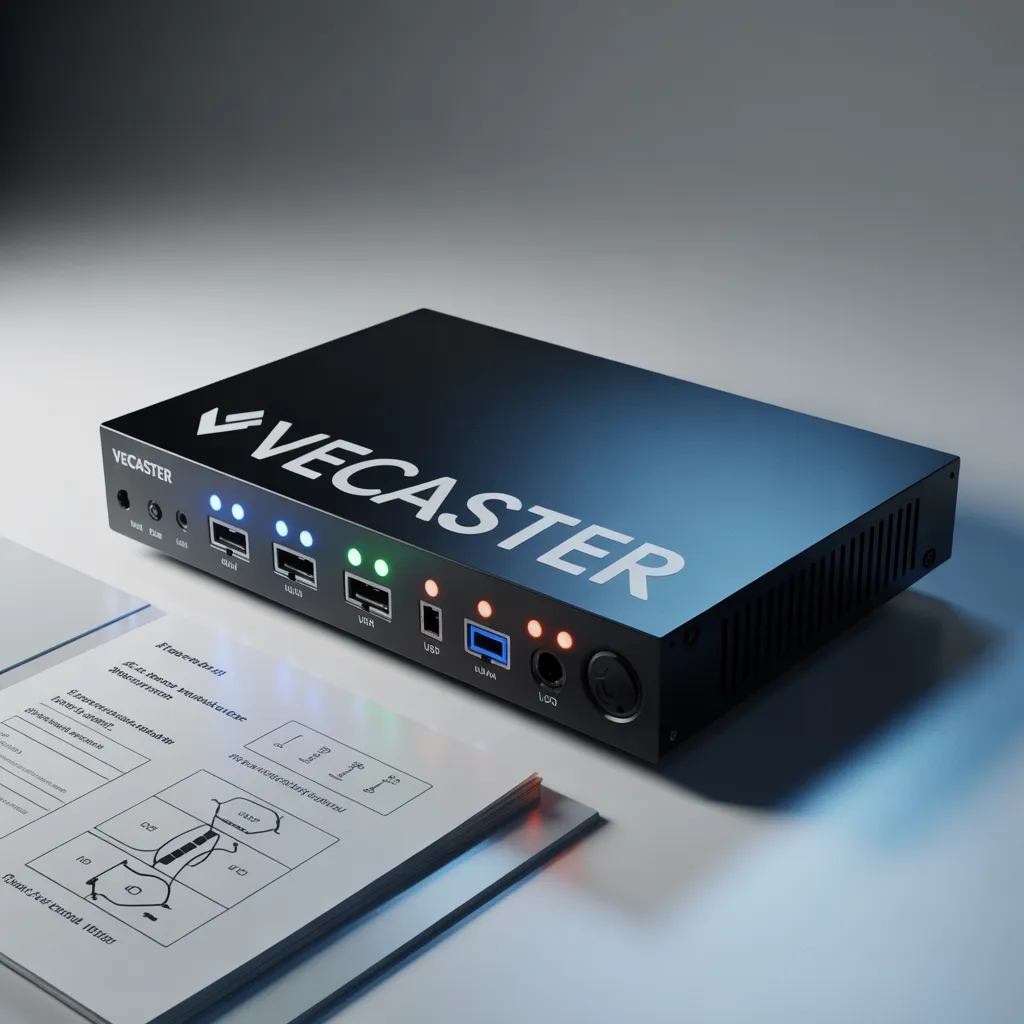

A Vecaster IPTV encoder is a professional hardware device that converts HDMI or SDI video signals into IP streams for live broadcasting over IPTV networks, content delivery platforms, or streaming servers. It is widely used in broadcasting, education, hotels, churches, and live event streaming due to its reliability, low latency, and high-quality encoding.
Introduction to Vecaster IPTV Encoder
If you’re looking for a reliable hardware solution for professional video streaming, the vecaster iptv encoder is one of the most trusted options in the IPTV broadcasting industry. These devices are designed to convert video input signals into digital IP streams that can be delivered across networks, making them essential for modern content distribution.
Whether you are a broadcaster, business owner, or streaming enthusiast, understanding how a vecaster iptv encoder works can help you build a stable and scalable IPTV system. With the growing demand for live streaming, IPTV headend systems, and OTT platforms, hardware encoders like Vecaster have become essential tools.
In this complete guide, you’ll learn everything about Vecaster encoders, including features, benefits, setup methods, use cases, and how to choose the right model.
What is a Vecaster IPTV Encoder?
A vecaster iptv encoder is a hardware-based encoding device that transforms video signals from sources like:
- Cameras
- Set-top boxes
- Media players
- Computers
- Satellite receivers
into compressed digital formats such as:
- H.264
- H.265 (HEVC)
- MPEG-4
These compressed streams are then transmitted using protocols such as:
- RTMP
- RTSP
- UDP
- HTTP
- HLS
- ONVIF
This process allows video content to be broadcast through IPTV networks or internet streaming platforms.
Key Functions of a Vecaster IPTV Encoder
The main roles of a Vecaster IPTV encoder include:
- Video compression for bandwidth efficiency
- IP streaming conversion
- Multi-protocol streaming support
- Bitrate optimization
- Network distribution
[Link to related article on IPTV encoding basics]
How a Vecaster IPTV Encoder Works
Understanding how a vecaster iptv encoder works is simple when broken into three main steps:
Step 1 – Video Input Capture
The encoder receives video from sources such as:
- HDMI cameras
- SDI broadcast equipment
- Video switchers
- DVR systems
Step 2 – Video Encoding Process
The encoder compresses raw video using codecs like H.264 or H.265 to reduce file size while maintaining quality.
Step 3 – IP Streaming Output
The encoded stream is transmitted through:
- Local network
- Internet
- IPTV middleware
- CDN platforms
This enables live viewing across devices like:
- Smart TVs
- Mobile phones
- PCs
- IPTV boxes
Key Features of Vecaster IPTV Encoders
When comparing IPTV hardware encoders, Vecaster devices stand out due to their professional-grade features.
Professional Encoding Capabilities
Most vecaster iptv encoder models support:
- Full HD 1080p streaming
- Low latency encoding
- Dual stream output
- Audio embedding
- Bitrate control
Multiple Streaming Protocol Support
Vecaster encoders typically support:
- RTMP (for YouTube and Facebook streaming)
- RTSP (for surveillance and enterprise streaming)
- UDP multicast (for IPTV systems)
- HLS (for OTT delivery)
Hardware Stability
Unlike software encoders, hardware devices provide:
- Continuous operation
- No PC dependency
- Reduced crashes
- Energy efficiency
Remote Management Options
Many Vecaster models include:
- Web control panels
- Remote firmware updates
- Network monitoring
- Stream configuration tools
[Link to related article on hardware vs software encoders]
Benefits of Using a Vecaster IPTV Encoder
Investing in a vecaster iptv encoder offers several advantages for professional streaming environments.
Reliable 24/7 Operation
Hardware encoders are built for continuous broadcasting, making them ideal for:
- TV channels
- Corporate streaming
- Digital signage
- Security monitoring
Better Video Quality
Vecaster devices deliver:
- Stable frame rates
- Reduced buffering
- Adaptive bitrate streaming
- High compression efficiency
Lower CPU Usage
Since encoding happens inside the device:
- No heavy computer processing is required
- Servers remain optimized
- Network efficiency improves
Scalability for IPTV Networks
Vecaster encoders can easily scale from:
- Small installations
- Medium IPTV headends
- Large broadcast networks
Popular Vecaster IPTV Encoder Models
Different models of vecaster iptv encoder are designed for various professional needs.
Vecaster HDMI IPTV Encoder
Best suited for:
- Churches
- Schools
- Live events
- Corporate streaming
Typical features include:
- HDMI input
- AAC audio encoding
- RTMP streaming
- Web interface control
Vecaster SDI IPTV Encoder
Designed for broadcast environments:
- SDI input support
- Ultra-low latency
- Professional cameras
- Broadcast studios
Multi-Channel Vecaster IPTV Encoder
Used in IPTV headend systems:
- Multiple HDMI inputs
- Rack mount design
- Multi-program streaming
- High-density encoding
[Link to manufacturer technical documentation]
Vecaster IPTV Encoder vs Other IPTV Encoders
Choosing the right encoder requires comparison.
Vecaster vs Software Encoders
| Feature | Vecaster Hardware Encoder | Software Encoder |
|---|---|---|
| Stability | Very high | Medium |
| CPU usage | None | High |
| Reliability | 24/7 | Depends on PC |
| Maintenance | Low | Medium |
| Cost | Higher upfront | Lower upfront |
Vecaster vs Generic Hardware Encoders
Vecaster advantages:
- Professional firmware
- Better technical support
- Frequent updates
- Enterprise reliability
Common Use Cases for Vecaster IPTV Encoders
A vecaster iptv encoder can be used in many industries.
Broadcasting Industry
Applications include:
- TV stations
- News broadcasting
- Live sports
- OTT distribution
Education Sector
Universities use Vecaster for:
- Lecture streaming
- Remote learning
- Campus IPTV channels
[Link to related article on educational IPTV systems]
Hospitality Industry
Hotels deploy IPTV encoders for:
- Guest entertainment
- Information channels
- Advertising displays
Religious Organizations
Churches and mosques often use encoders for:
- Live sermons
- Online worship streaming
- Event broadcasting
Corporate Communications
Businesses use them for:
- Internal communication
- CEO broadcasts
- Training sessions
- Product launches
How to Set Up a Vecaster IPTV Encoder
Setting up a vecaster iptv encoder typically takes less than 30 minutes.
Basic Installation Steps
Follow these steps:
- Connect HDMI video source
- Connect network cable
- Power on device
- Access web interface
- Configure streaming settings
- Start broadcast
Network Configuration Tips
Best practices include:
- Use static IP
- Ensure sufficient bandwidth
- Configure firewall rules
- Monitor packet loss
Recommended Network Requirements
For stable IPTV streaming:
- Minimum upload speed: 10 Mbps
- Gigabit network preferred
- Low latency connection
- Managed switches for multicast
[Link to network bandwidth calculator]
Vecaster IPTV Encoder Configuration Best Practices
To get the best performance:
Video Settings
Recommended:
- Resolution: 1920×1080
- Bitrate: 4–8 Mbps
- Frame rate: 25–30 fps
- Codec: H.264 or H.265
Audio Settings
Best configuration:
- AAC codec
- 128 kbps bitrate
- Stereo mode
Streaming Optimization
Tips include:
- Enable CBR for IPTV
- Use VBR for internet streaming
- Enable GOP optimization
- Adjust buffer size
Troubleshooting Vecaster IPTV Encoder Issues
Even professional devices may require troubleshooting.
Common Problems
Typical issues include:
- No video signal
- Network disconnects
- Audio sync issues
- Stream buffering
Quick Fixes
Try these solutions:
- Restart encoder
- Check HDMI cable
- Verify IP configuration
- Reduce bitrate
- Update firmware
When to Contact Support
Contact technical support if:
- Device overheats
- Firmware fails
- Network ports stop working
- Hardware errors appear
[Link to Vecaster support portal]
How to Choose the Right Vecaster IPTV Encoder
Choosing the right vecaster iptv encoder depends on your needs.
Consider Video Inputs
Ask:
- HDMI required?
- SDI required?
- Multiple inputs needed?
Consider Streaming Goals
Define:
- IPTV distribution
- Social media streaming
- OTT delivery
- Surveillance streaming
Consider Budget
Typical price ranges:
- Entry level: $200–$400
- Professional: $500–$1500
- Broadcast grade: $2000+
Consider Future Expansion
Choose devices that allow:
- Firmware upgrades
- Multi-stream output
- Rack integration
- API control
Vecaster IPTV Encoder Security Considerations
Security is critical in IPTV systems.
Security Best Practices
Implement:
- Password protection
- VLAN separation
- Firewall protection
- VPN access
- Firmware updates
Network Security Recommendations
Follow:
- Disable unused ports
- Change default credentials
- Monitor network traffic
- Use secure protocols
[Link to cybersecurity best practices guide]
Future of IPTV Encoding Technology
The IPTV industry continues to evolve rapidly.
Emerging Trends
Important trends include:
- AI video optimization
- 4K IPTV distribution
- HEVC adoption
- Cloud encoding integration
- Edge streaming
Vecaster Innovation Direction
Hardware encoder manufacturers are focusing on:
- Lower latency
- Higher compression efficiency
- Remote cloud control
- Hybrid hardware/cloud systems
[Link to IPTV industry market report]
Frequently Asked Questions About Vecaster IPTV Encoder
Is a Vecaster IPTV encoder better than software encoding?
Yes, for professional use cases because it offers:
- Better reliability
- Continuous streaming
- Lower failure risk
- Dedicated processing
Can Vecaster encoders stream to YouTube?
Yes, most models support RTMP streaming for platforms like:
- YouTube
- Facebook Live
- Twitch
Does a Vecaster IPTV encoder support H.265?
Many newer models support HEVC which reduces bandwidth usage by up to 50%.
Do I need IPTV middleware?
Not always. It depends on whether you want:
- Channel management
- User authentication
- EPG integration
Final Thoughts on Vecaster IPTV Encoder
A vecaster iptv encoder is one of the best investments for anyone serious about professional IPTV streaming. Whether you operate a TV channel, run corporate broadcasts, or manage a hotel IPTV network, these devices provide reliability, quality, and scalability.
The biggest advantages include:
- Professional stability
- High video quality
- Multi-protocol streaming
- Long-term reliability
- Enterprise features
If you want consistent and professional IPTV delivery, a hardware encoder is often the best choice.
Conclusion
Choosing the right vecaster iptv encoder can significantly improve your streaming infrastructure. From small organizations to large broadcasters, these devices help deliver professional video content efficiently and reliably.
By understanding features, configuration options, and best practices, you can build a future-proof IPTV system that meets your streaming goals.
If you’re planning to build an IPTV headend or upgrade your streaming setup, Vecaster encoders are definitely worth considering.
Meta Description (155–160 characters)
Vecaster IPTV encoder guide covering features, setup, benefits, models, and streaming tips. Learn how to choose the best IPTV hardware encoder for professional streaming.
Call to Action
Ready to build a professional IPTV streaming system?
Here’s what you can do next:
- Read more: [Link to IPTV headend setup guide]
- Explore tools: [Link to IPTV streaming software comparison]
- Contact experts: [Link to IPTV consultation page]
- Learn more: [Link to IPTV network design tutorial]