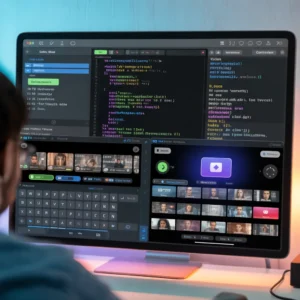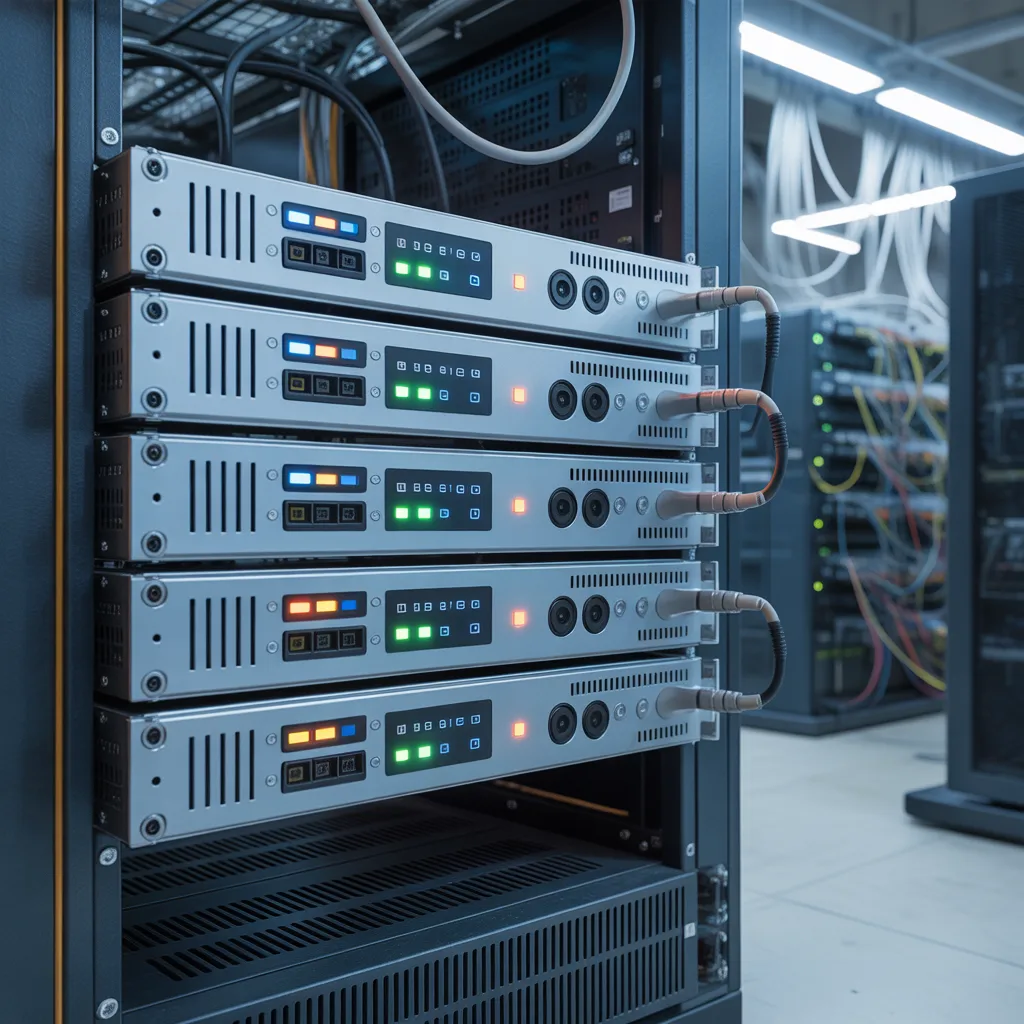

A 4 channel IPTV encoder encoder is a device that converts up to four video/audio inputs into digital IP streams, enabling efficient live streaming or broadcasting over the internet or private networks.
Introduction
If you’re looking to scale your streaming setup efficiently, a 4 channel IPTV encoder encoders solution might be exactly what you need. These devices allow you to encode multiple video sources simultaneously and distribute them over IP networks with minimal latency and high quality.
Whether you’re a broadcaster, business owner, or content creator, understanding how a 4 channel IPTV encoder encoders system works can help you optimize your workflow, reduce costs, and improve stream reliability.
In this guide, we’ll break down everything you need to know—from features and benefits to setup tips and buying advice.
What Is a 4 Channel IPTV Encoder Encoders System?
A 4 channel IPTV encoder encoders device is hardware or software designed to:
- Take four separate video inputs (HDMI, SDI, AV, etc.)
- Compress them using codecs like H.264 or H.265 (HEVC)
- Convert them into IP streams (RTMP, HLS, UDP, etc.)
- Deliver them over a network or the internet
Key Components
- Video Input Ports (HDMI/SDI)
- Encoding Engine
- Streaming Protocol Support
- Network Interface (LAN/Wi-Fi)
This makes it ideal for applications requiring multi-channel streaming.
How 4 Channel IPTV Encoder Encoders Work
Step-by-Step Process
- Input Capture
The encoder receives video from cameras, set-top boxes, or media players. - Compression
Video is compressed using efficient codecs to reduce bandwidth. - Packetization
The encoded data is converted into IP packets. - Streaming Output
Streams are delivered via protocols like:- RTMP
- HLS
- MPEG-TS over UDP
Benefits of Using 4 Channel IPTV Encoder Encoders
1. Cost Efficiency
Instead of buying four separate encoders, one 4 channel IPTV encoder encoders unit handles everything.
2. Space Saving
Compact design reduces rack space in professional setups.
3. Centralized Management
Manage all channels from a single interface.
4. Scalability
Easily expand your IPTV network without major infrastructure changes.
5. High-Quality Streaming
Supports HD and even 4K encoding with advanced compression.
Top Features to Look for in 4 Channel IPTV Encoder Encoders
H2: Essential Features
H3: Codec Support (H.264 vs H.265)
- H.264: Widely compatible
- H.265 (HEVC): Better compression, lower bandwidth
H3: Resolution and Frame Rate
- Supports 1080p, 4K
- Frame rates up to 60fps
H3: Streaming Protocols
Look for:
- RTMP (for live platforms)
- HLS (for web streaming)
- SRT (secure streaming)
H3: Audio Encoding
- AAC, MP3 support
- Multi-channel audio capability
H3: Network Capabilities
- Gigabit Ethernet
- Dual-stream output
Use Cases for 4 Channel IPTV Encoder Encoders
H2: Common Applications
H3: Live Broadcasting
TV stations and online broadcasters use 4 channel IPTV encoder encoders to stream multiple programs simultaneously.
H3: Education
Schools and universities stream:
- Lectures
- Events
- Training sessions
H3: Corporate Environments
Used for:
- Internal communications
- Webinars
- Training
H3: Hospitality Industry
Hotels distribute TV channels via IPTV systems.
H3: Houses of Worship
Stream multiple camera angles during live services.
Hardware vs Software 4 Channel IPTV Encoder Encoders
H2: Comparison
| Feature | Hardware Encoder | Software Encoder |
|---|---|---|
| Performance | High | Medium |
| Reliability | Very High | Depends on PC |
| Cost | Higher upfront | Lower upfront |
| Ease of Use | Plug-and-play | Requires setup |
Which One Should You Choose?
- Choose hardware for stability and 24/7 operation
- Choose software for flexibility and lower cost
How to Set Up a 4 Channel IPTV Encoder Encoders System
H2: Step-by-Step Setup Guide
H3: Step 1 – Connect Video Sources
- Plug HDMI/SDI cables into encoder inputs
H3: Step 2 – Configure Network
- Connect encoder to router via Ethernet
- Assign IP address
H3: Step 3 – Access Web Interface
- Use browser to log into encoder dashboard
H3: Step 4 – Configure Encoding Settings
- Choose resolution and bitrate
- Select codec (H.264 or H.265)
H3: Step 5 – Set Streaming Protocol
- Enter RTMP server URL or HLS settings
H3: Step 6 – Start Streaming
- Enable channels and monitor output
Best Practices for Optimizing Performance
H2: Performance Tips
- Use wired Ethernet instead of Wi-Fi
- Optimize bitrate for your bandwidth
- Monitor CPU/temperature (for hardware units)
- Use CDN for global streaming
Common Problems and Solutions
H2: Troubleshooting
H3: Buffering Issues
- Reduce bitrate
- Check network speed
H3: No Signal
- Verify input cables
- Check source device
H3: Audio Sync Problems
- Adjust audio delay settings
Choosing the Right 4 Channel IPTV Encoder Encoders
H2: Buying Guide
Consider the following:
- Budget
- Number of inputs needed
- Streaming platforms
- Future scalability
Recommended Checklist
- ✔ Supports H.265
- ✔ Multi-protocol streaming
- ✔ Remote management
- ✔ Firmware updates
Internal and External Resources
- [Link to related article on IPTV setup guide]
- [Link to related article on video streaming optimization]
- [Link to external guide on video encoding standards]
- [Link to industry report on IPTV growth trends]
Future Trends in IPTV Encoding
H2: What’s Next?
- AI-based encoding optimization
- Cloud IPTV encoders
- 8K streaming support
- Low-latency protocols (SRT, WebRTC)
The evolution of 4 channel IPTV encoder encoders is moving toward smarter, faster, and more efficient solutions.
Conclusion
A 4 channel IPTV encoder encoders system is a powerful tool for anyone serious about multi-channel streaming. It simplifies workflows, reduces costs, and ensures consistent, high-quality delivery across platforms.
Whether you’re a beginner or a professional, investing in the right encoder can transform your streaming capabilities.
Meta Description (155–160 characters)
Discover the best 4 channel IPTV encoder encoders, how they work, key features, setup steps, and expert tips to optimize your streaming performance.